Biomimetic Modularity in Architecture
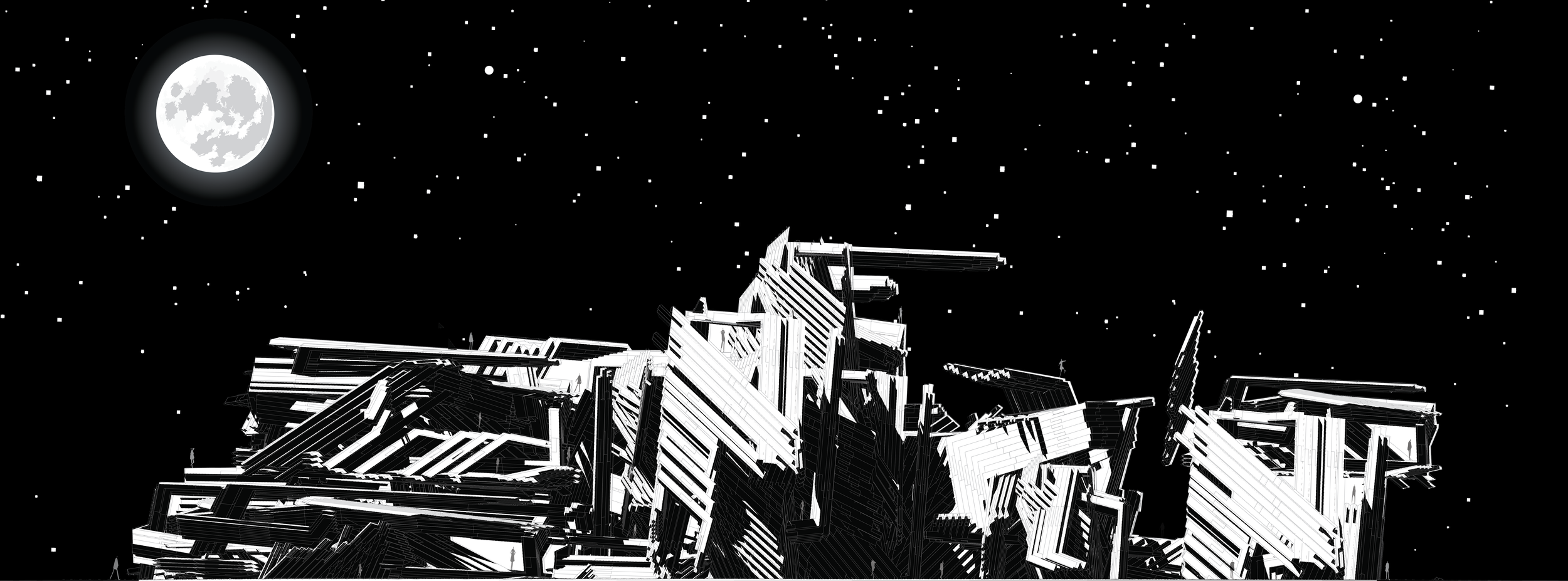
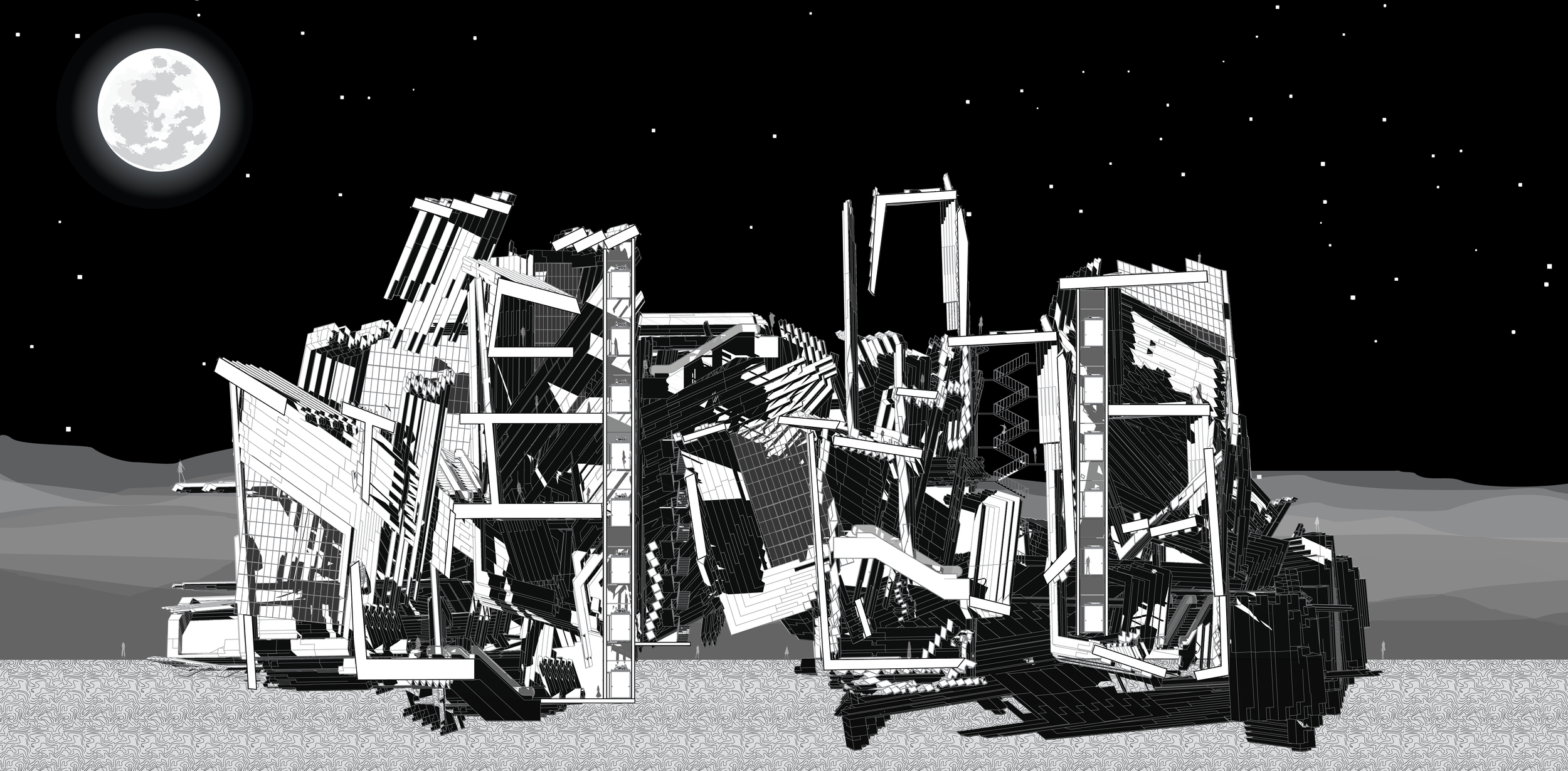
The task was to imagine a near-future California where wildfires are constant and unavoidable, forcing architecture to adapt radically. Traditional systems like insurance have collapsed, and
those who remain on the urban edge must embrace fire as a part of everyday life. In this world, ten years from now, buildings may no longer resemble traditional structures—rocks may not
always be rocks. Looking ahead to 2035, architecture and construction are poised for a major shift toward smarter, greener practices. With the 2050 carbon neutrality goal on the horizon, the
industry is embracing circular economy models that prioritize material reuse and waste reduction. Advanced technologies such as AI and smart materials are streamlining design processes,
while automation—particularly robotic construction and 3D printing—is redefining how buildings are made, making construction faster, more efficient, and significantly less labor-intensive. In
this context, reassemblable and modular structures are expected to play a pivotal role; recent studies show that such approaches can reduce construction waste by up to 80%, positioning
them as essential strategies in sustainable, circular construction.
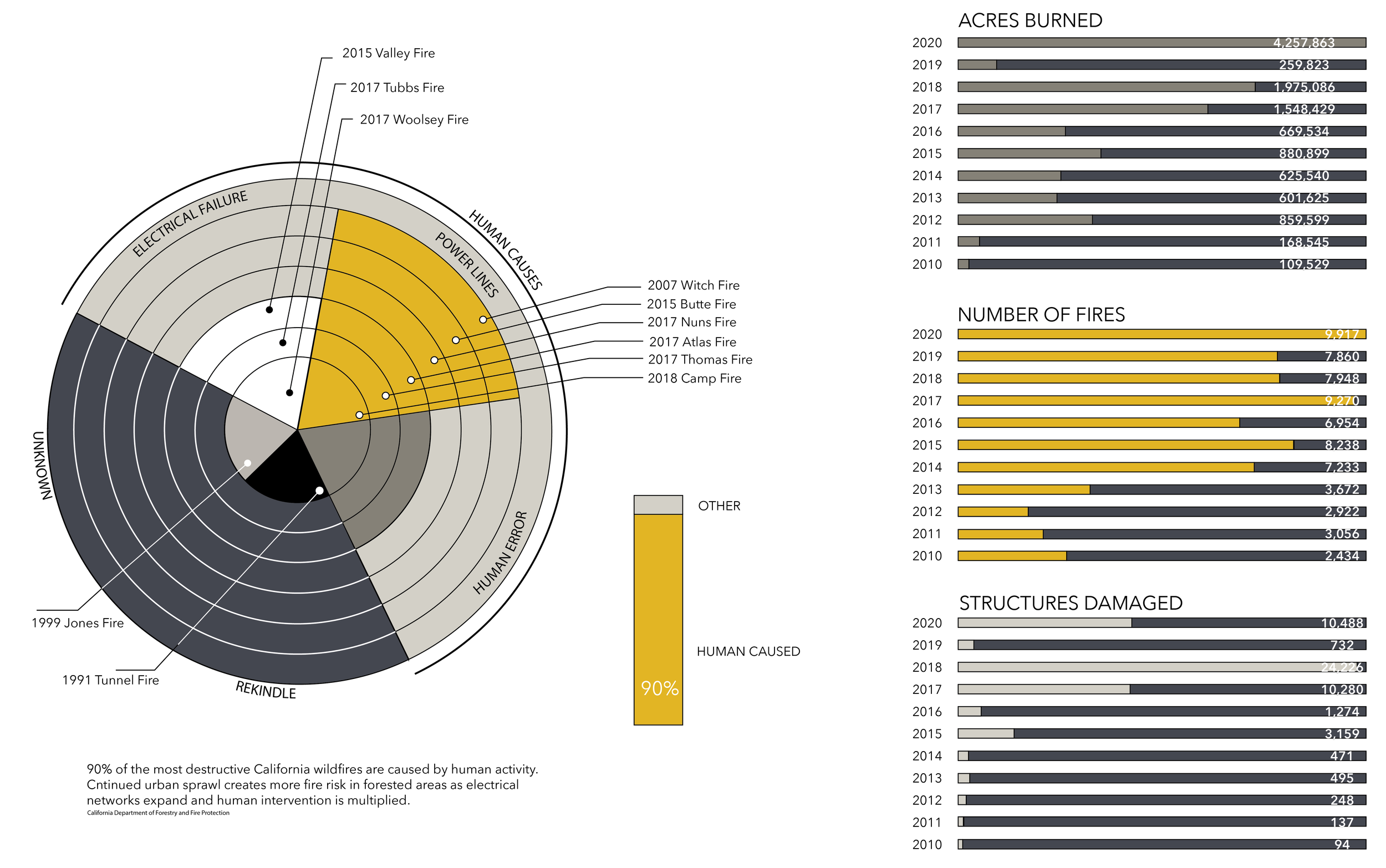
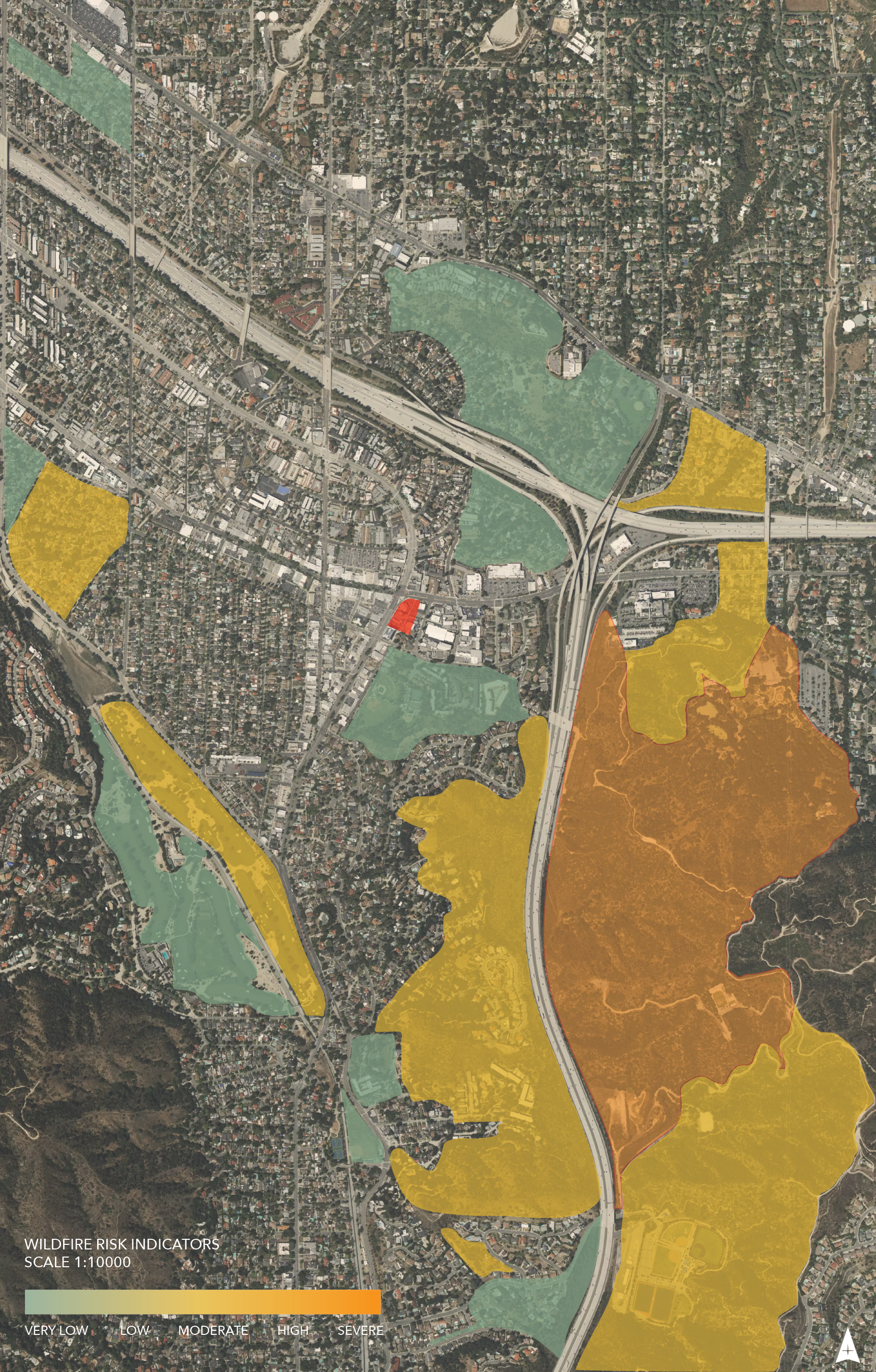
WILDFIRE RESEARCH
Within this technological and ecological shift, the constant threat of wildfires in California demands a new architectural response. Rather than merely resisting fire,
architecture must evolve to embrace adaptability, regeneration, and coexistence. This thesis does not propose architecture as a "magic pill" for wildfire resilience. Instead, it
recognizes that over 90% of wildfires are human-caused, and any meaningful architectural solution must be integrated with broader systemic interventions—such as prescribed
burns, firebreaks between development and wilderness, modernization of power lines, decentralization of utilities, and wildfire-informed urban planning.


ZONING MAP
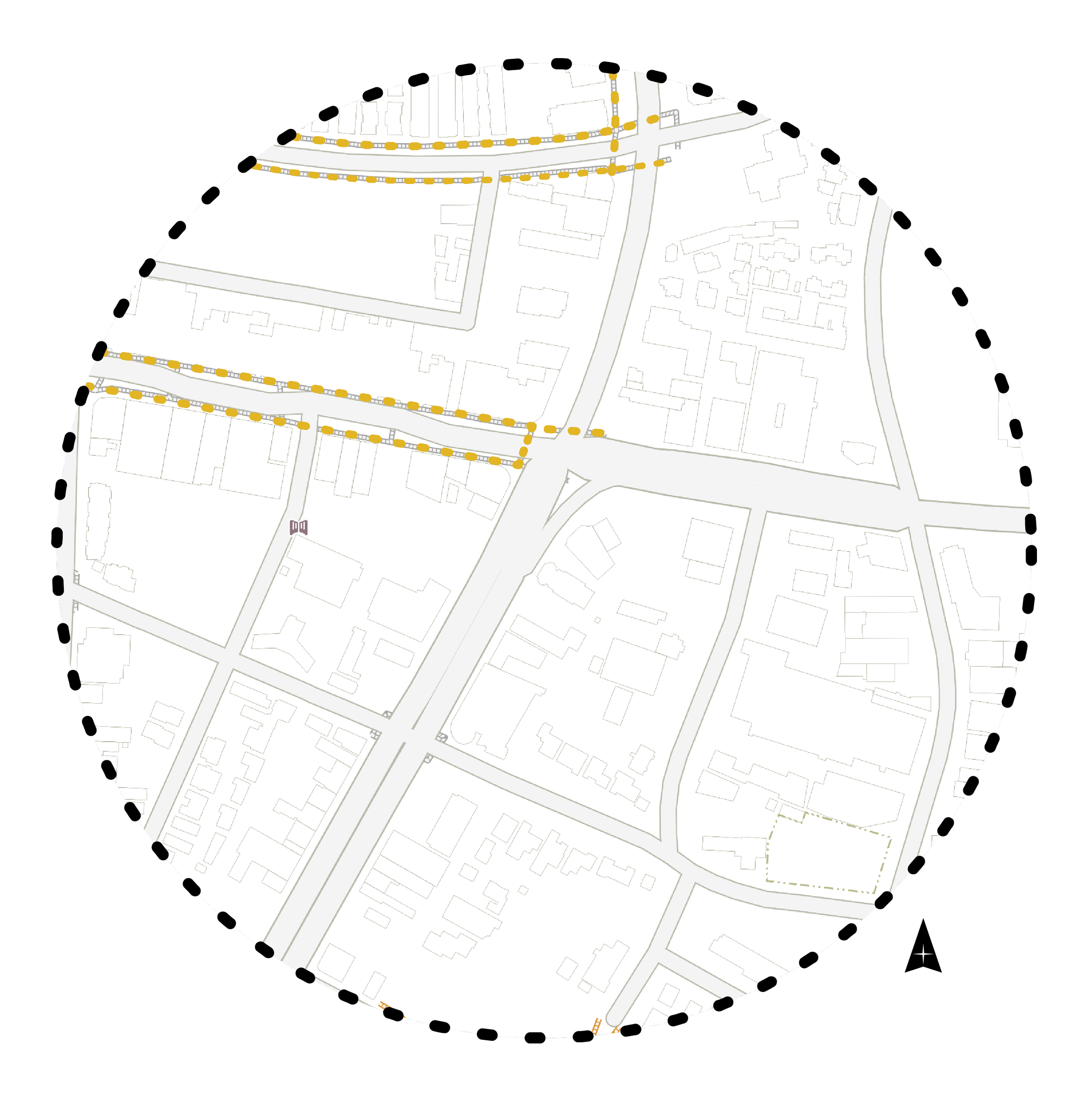
PEDESTRAIN ACCESS DIAGRAM
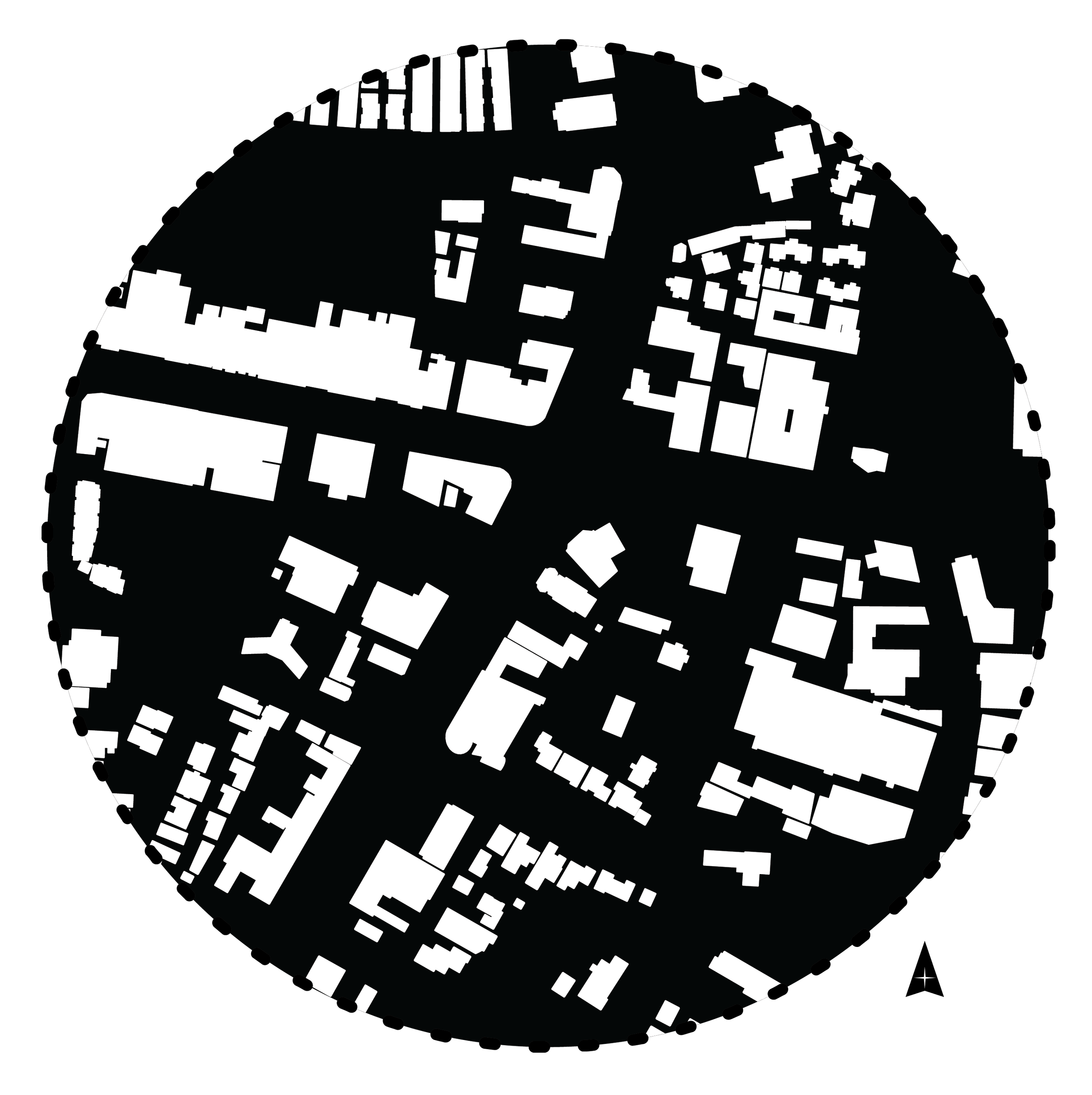
FIGURE GROUND DIAGRAM
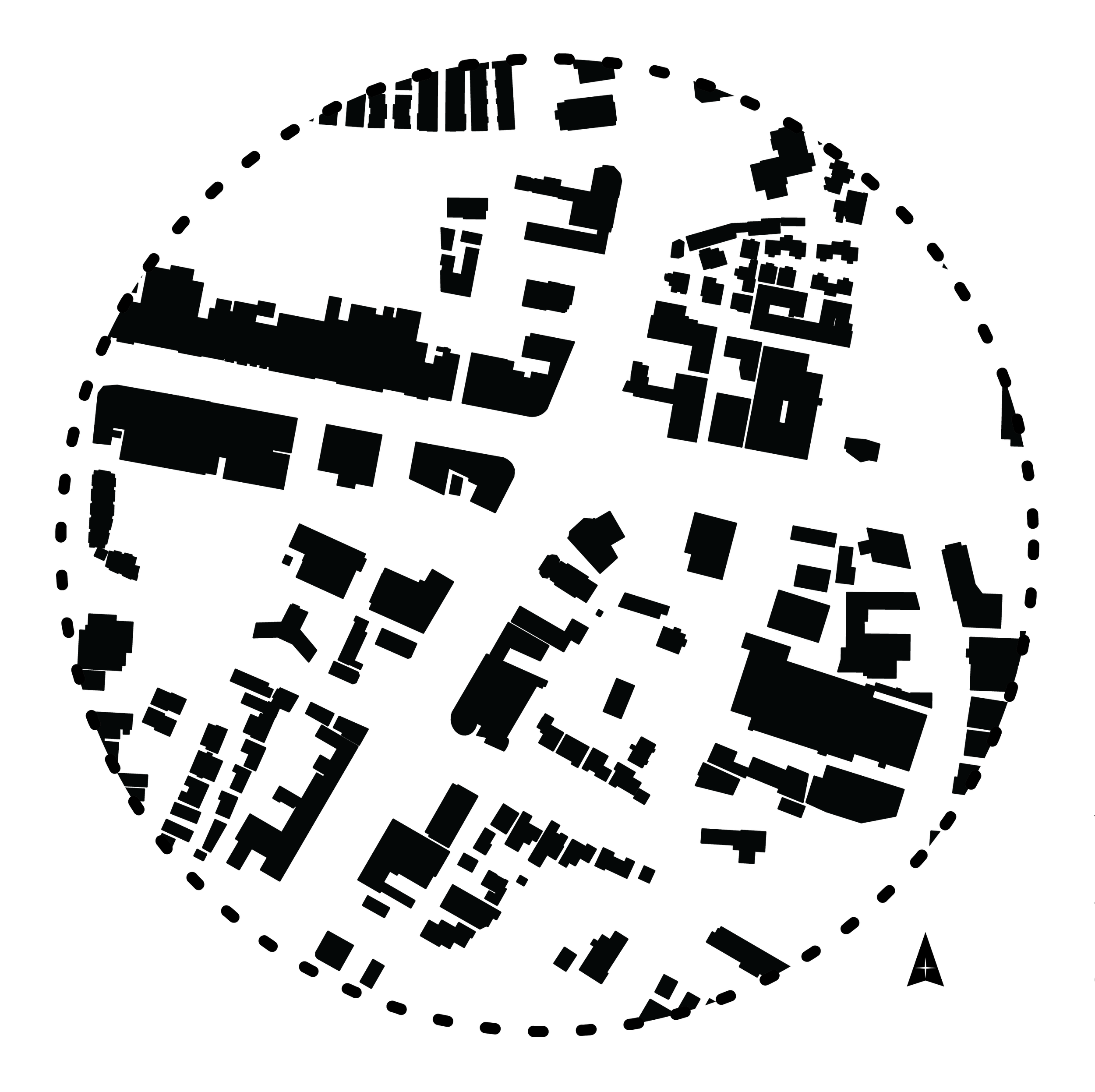
FIGURE GROUND DIAGRAM
EVALUATING MASSING STRATEGIES BASED ON PROGRAM FOR SOLAR OPTIMIZATION

MORPHOLOGY BASED ON BISMUTH CRYSTAL FORMATION

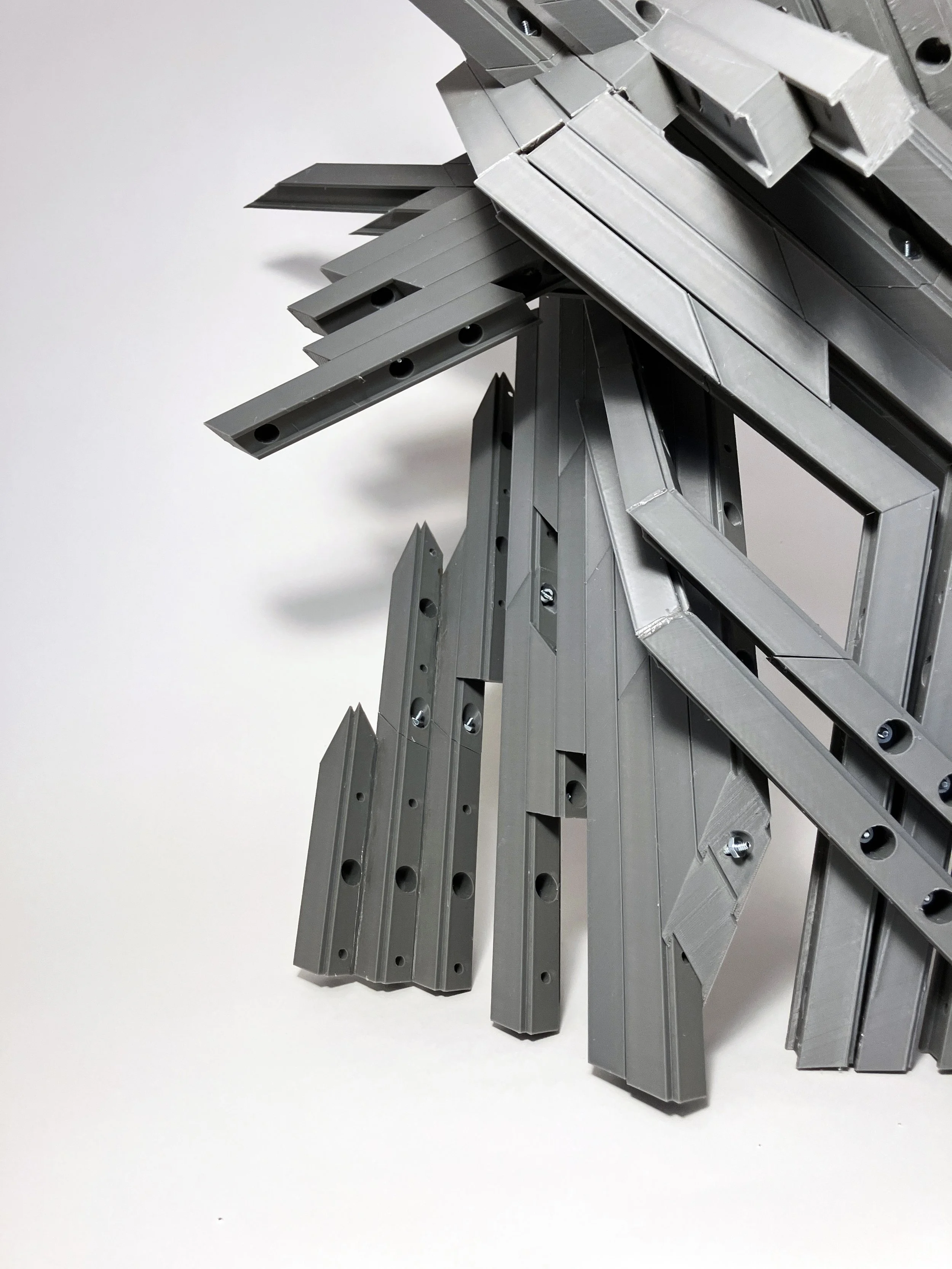
3D Printed Study Model
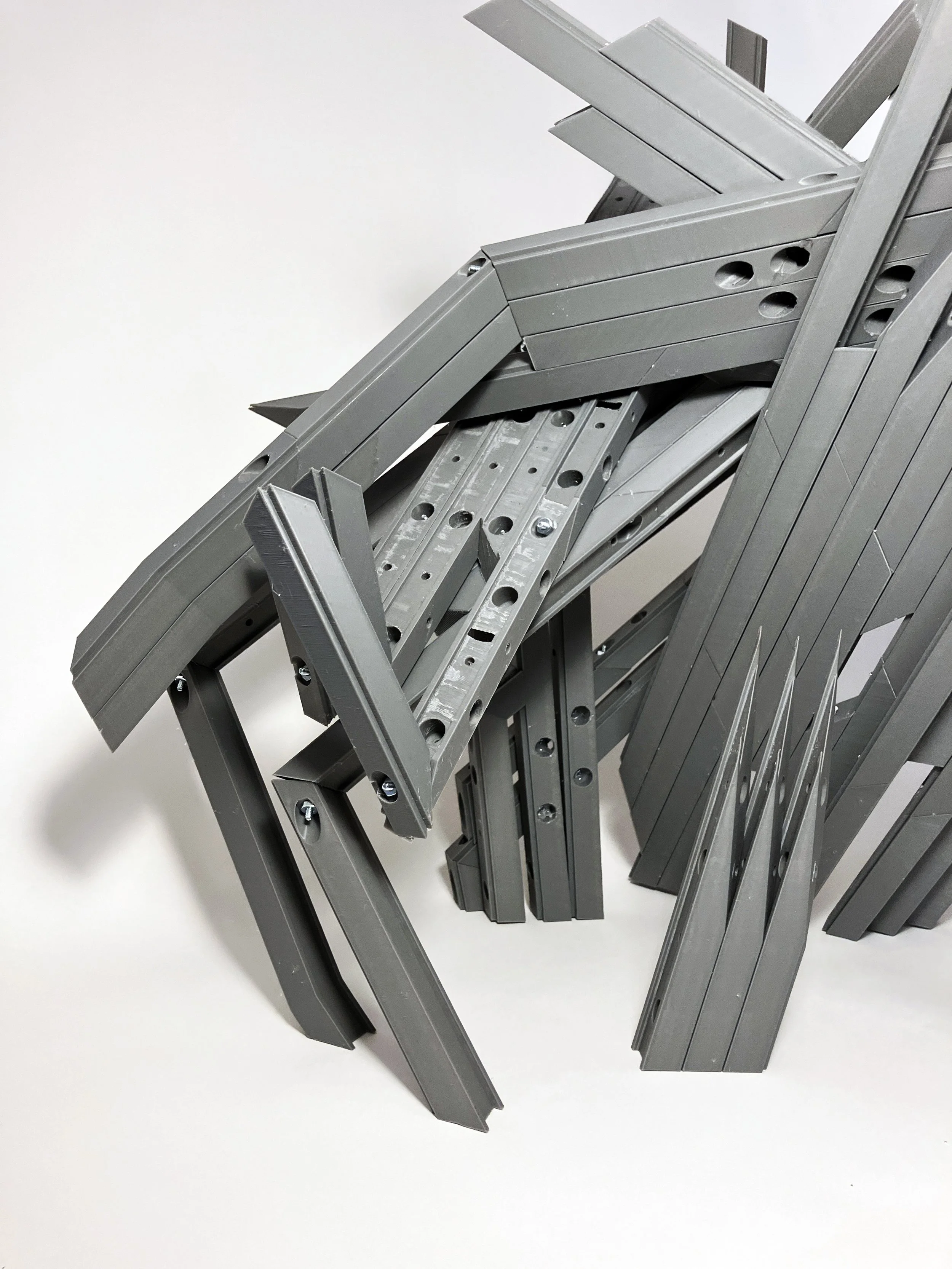
3D Printed Study Model
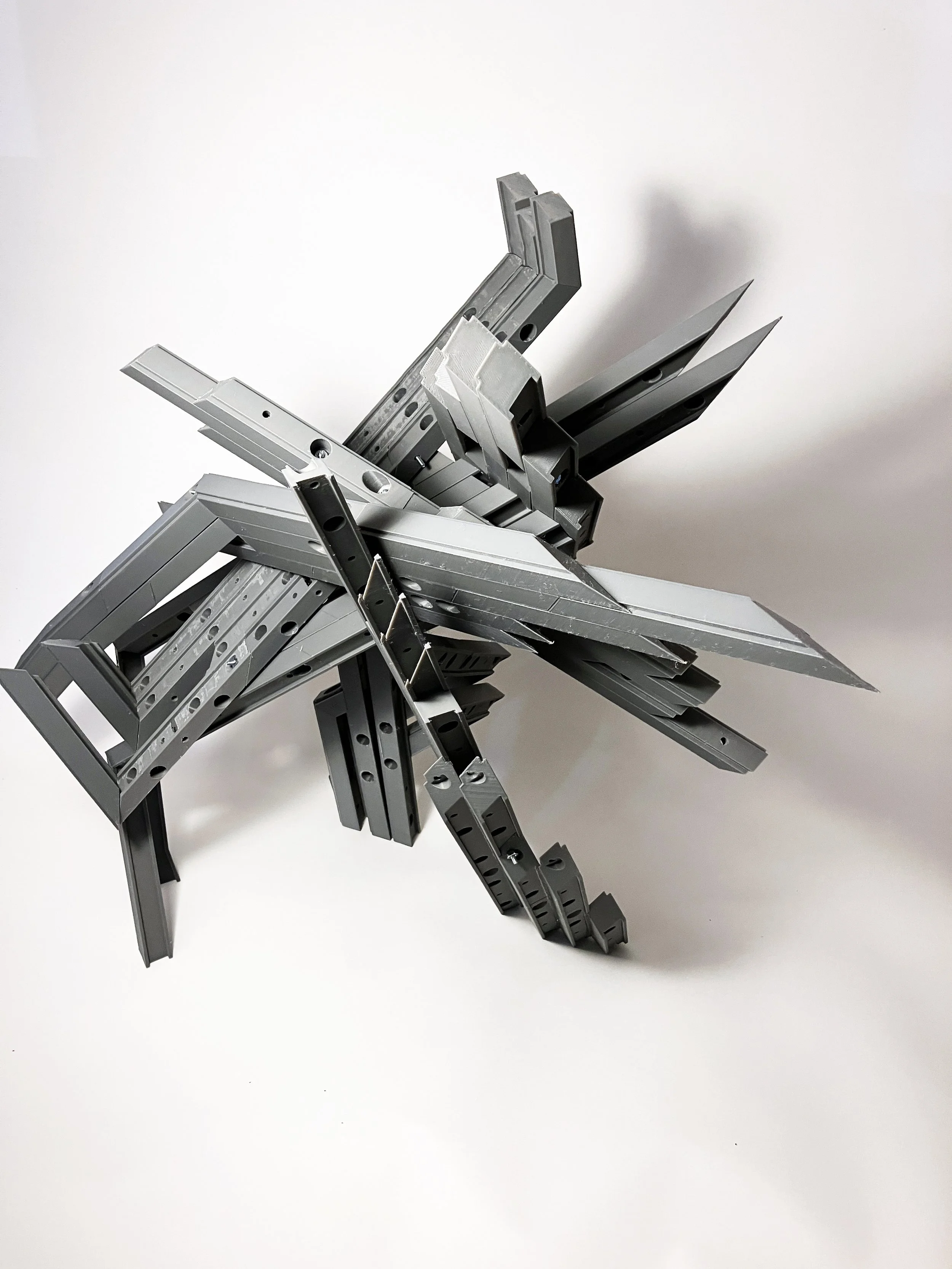
3D Printed Study Model
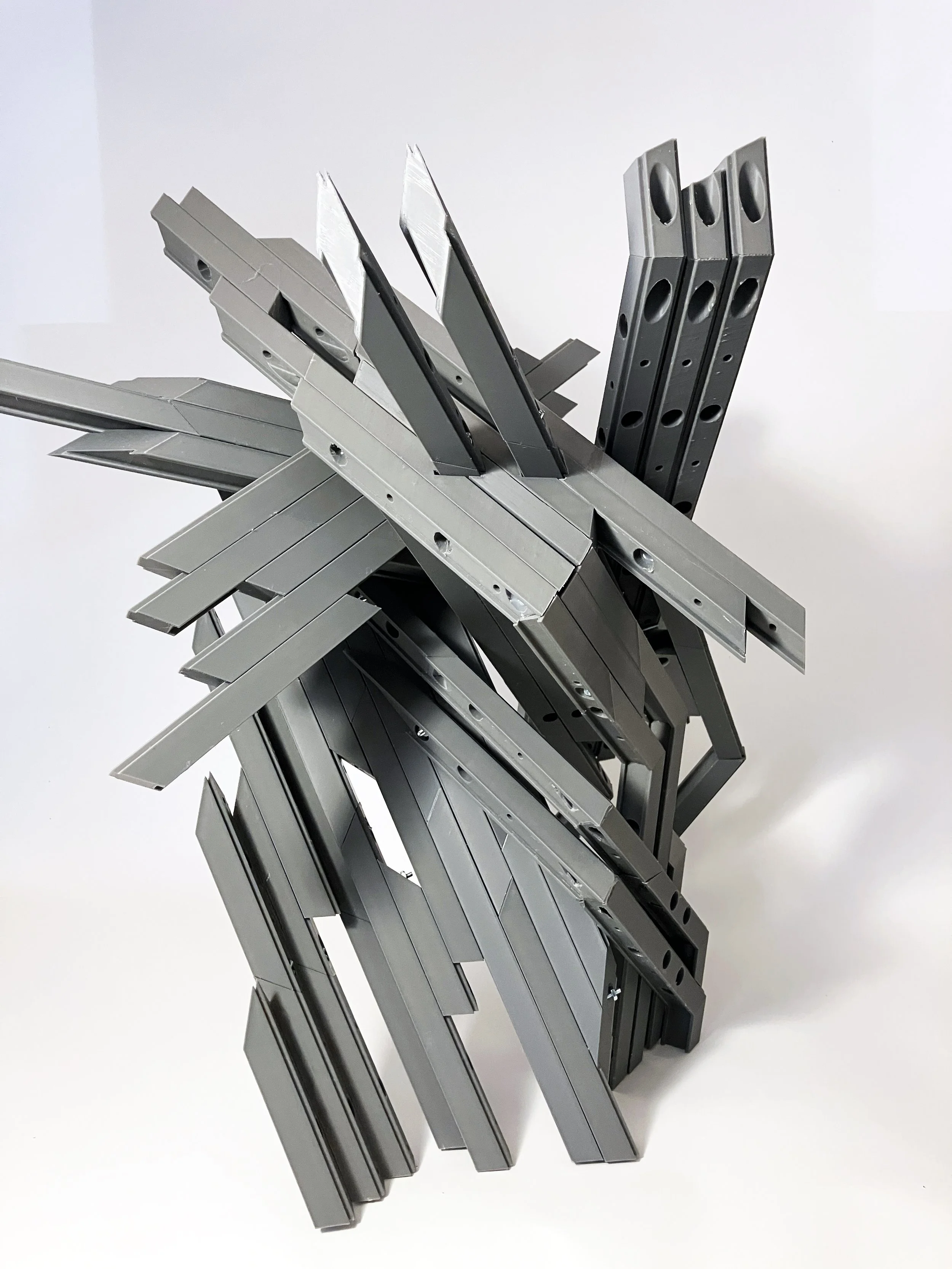
3D Printed Study Model
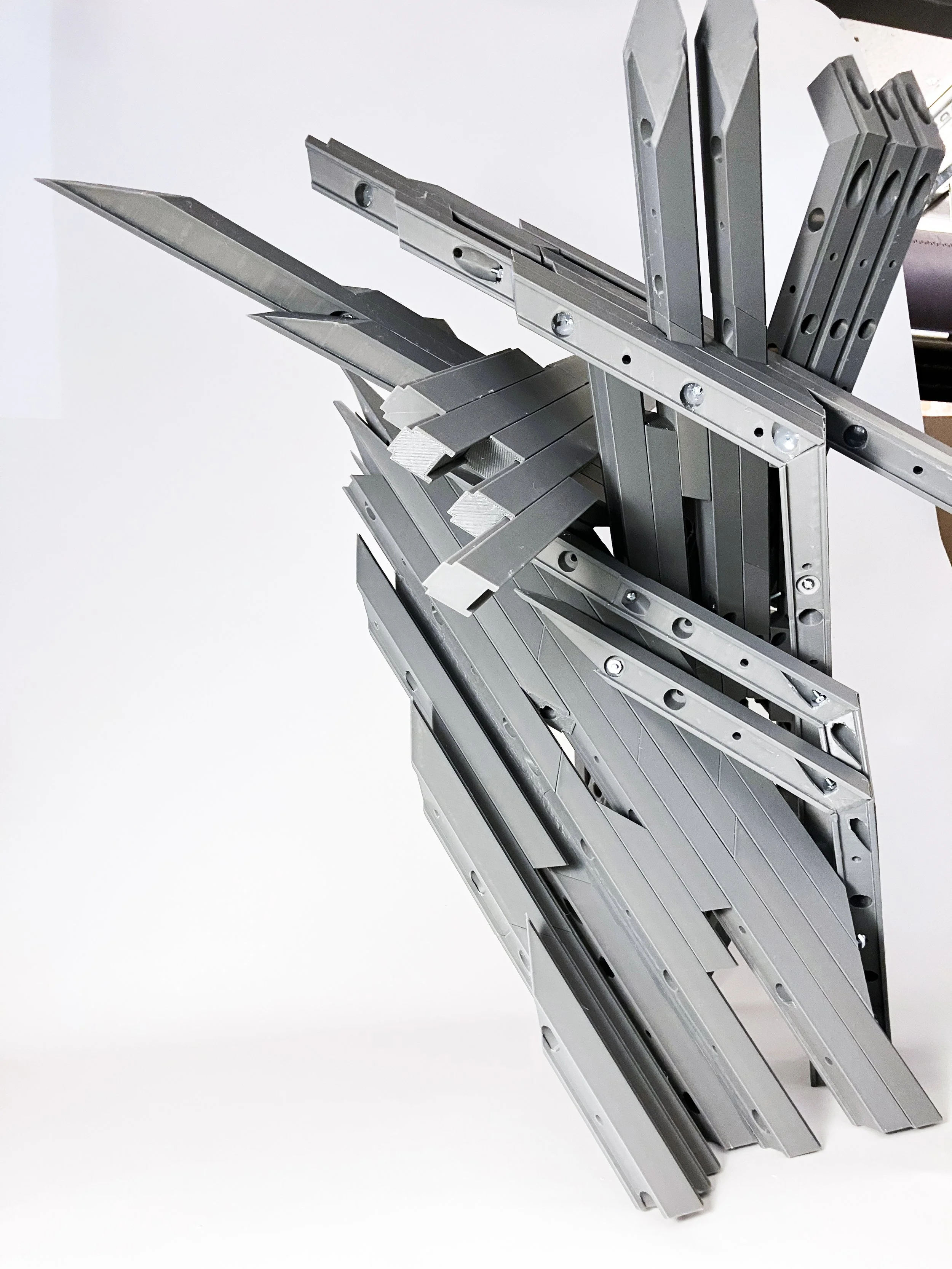
3D Printed Study Model
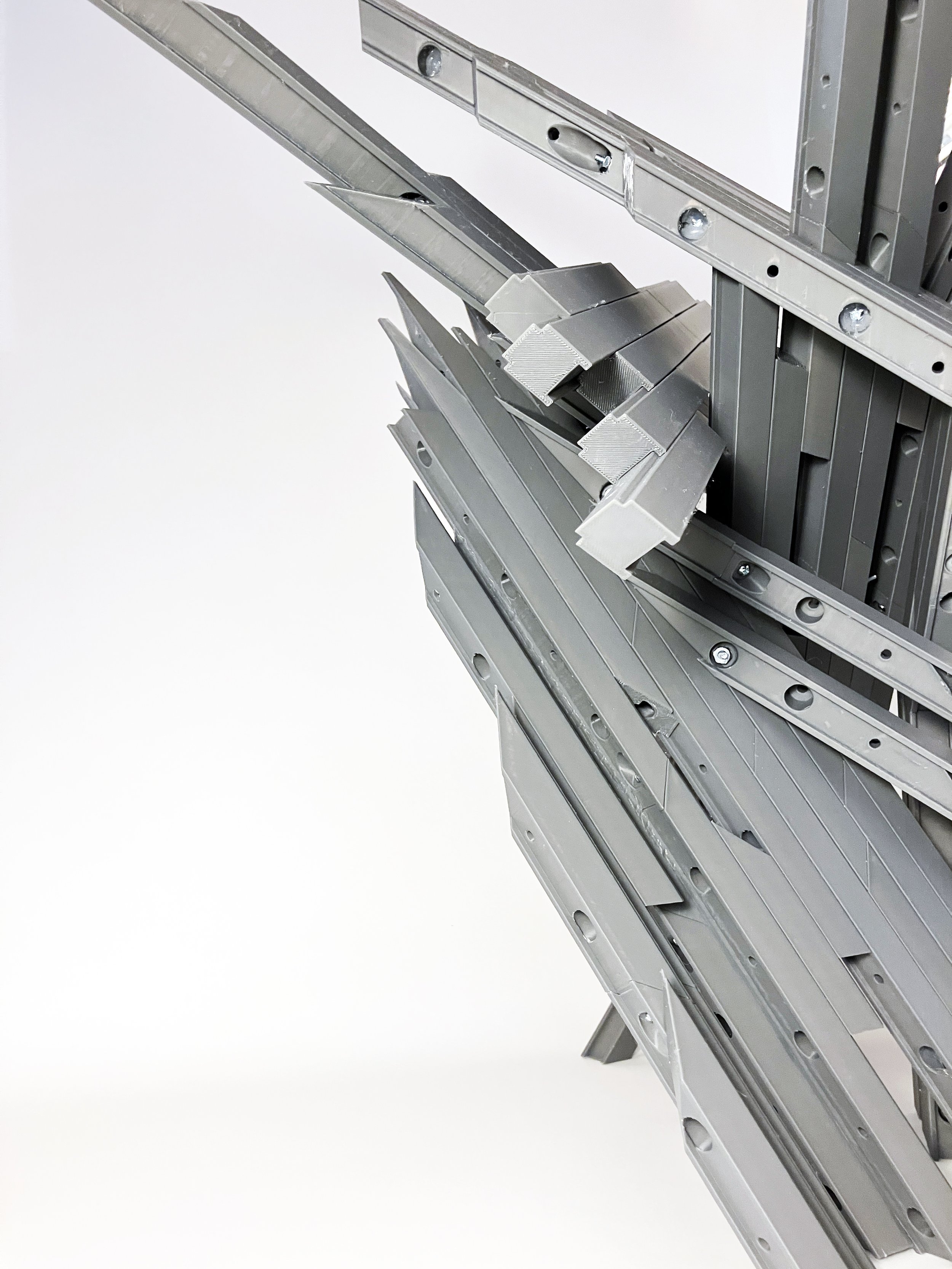
3D Printed Study Model
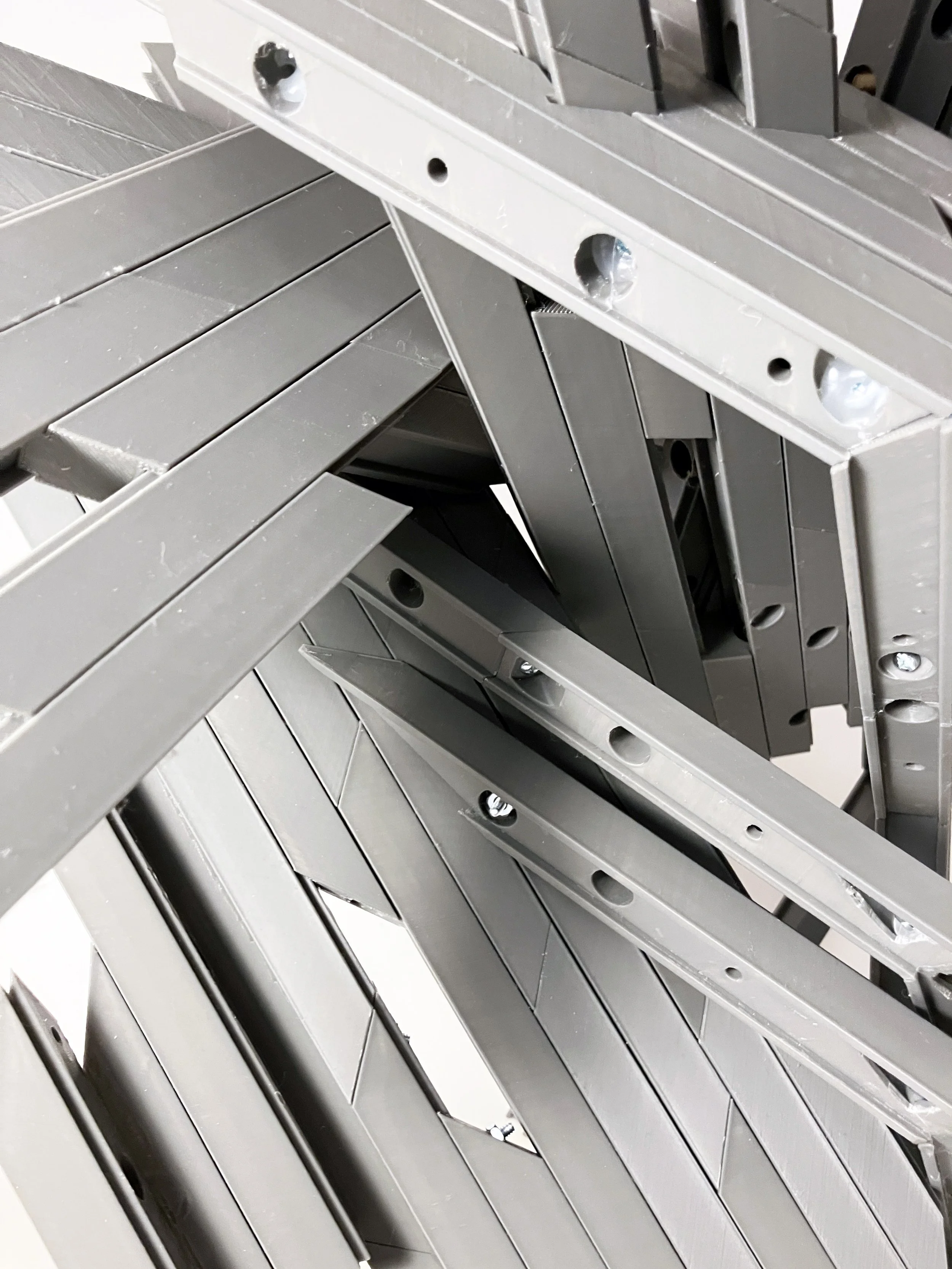
3D Printed Study Model
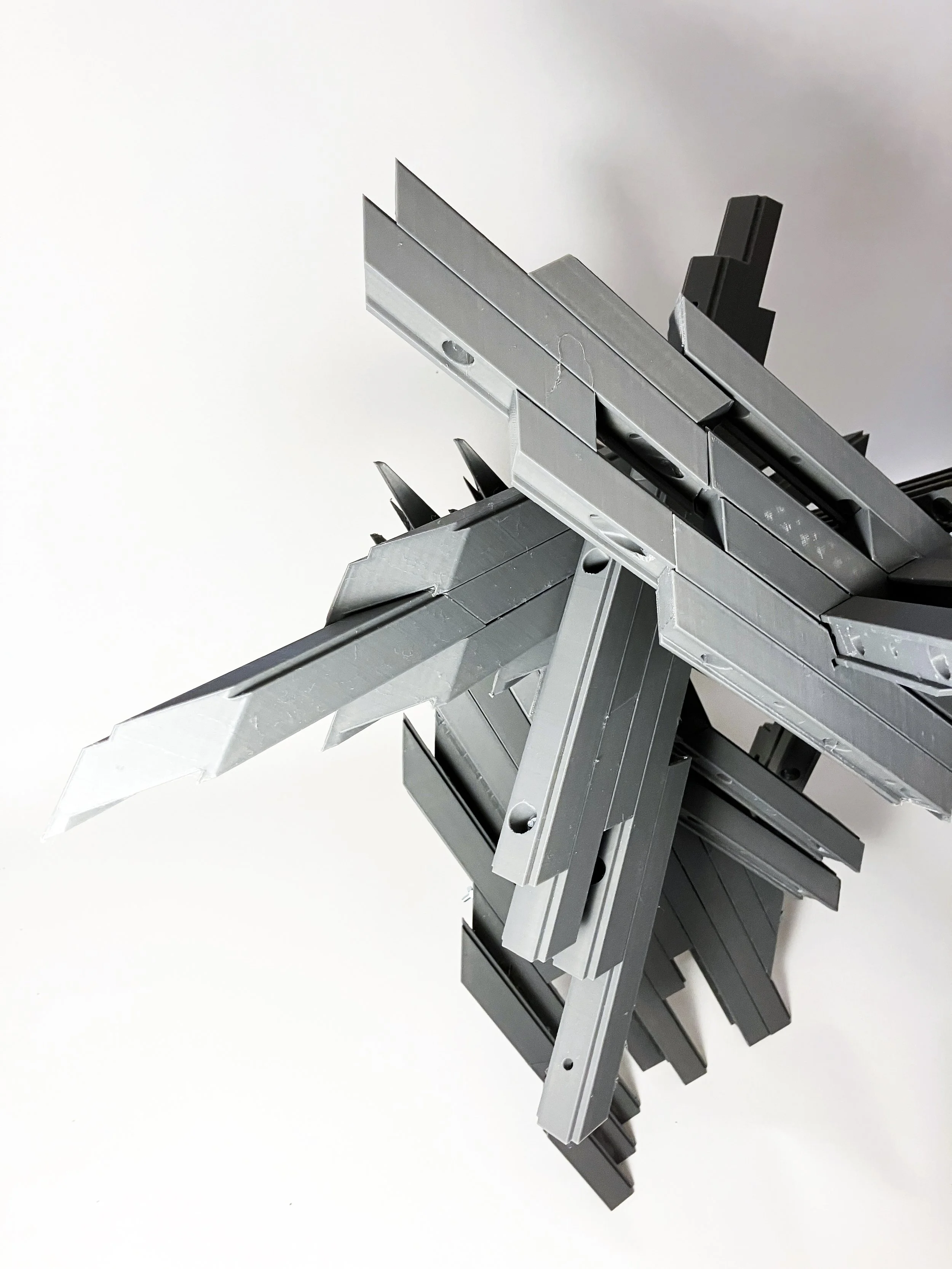
3D Printed Study Model
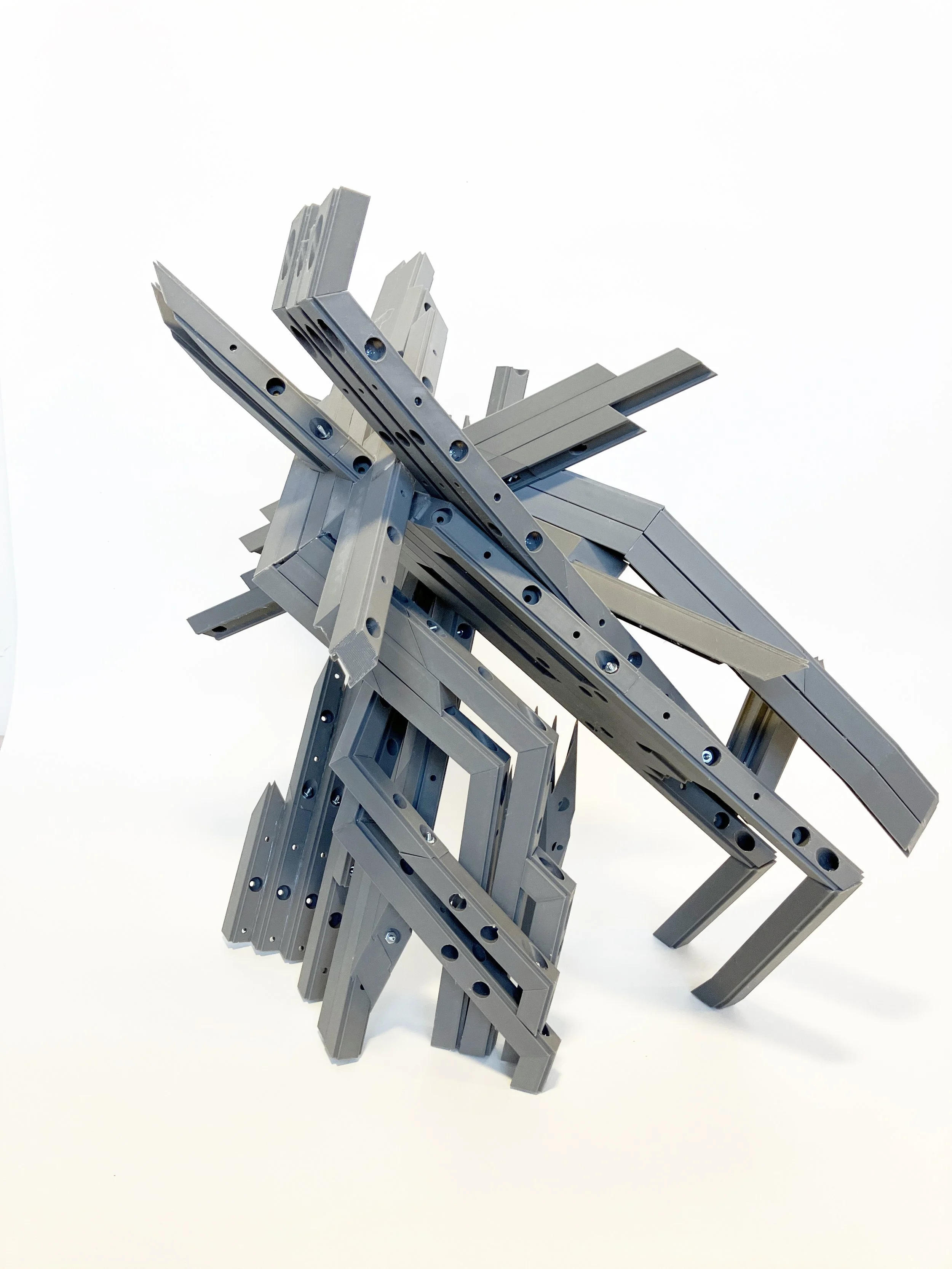
3D Printed Study Model
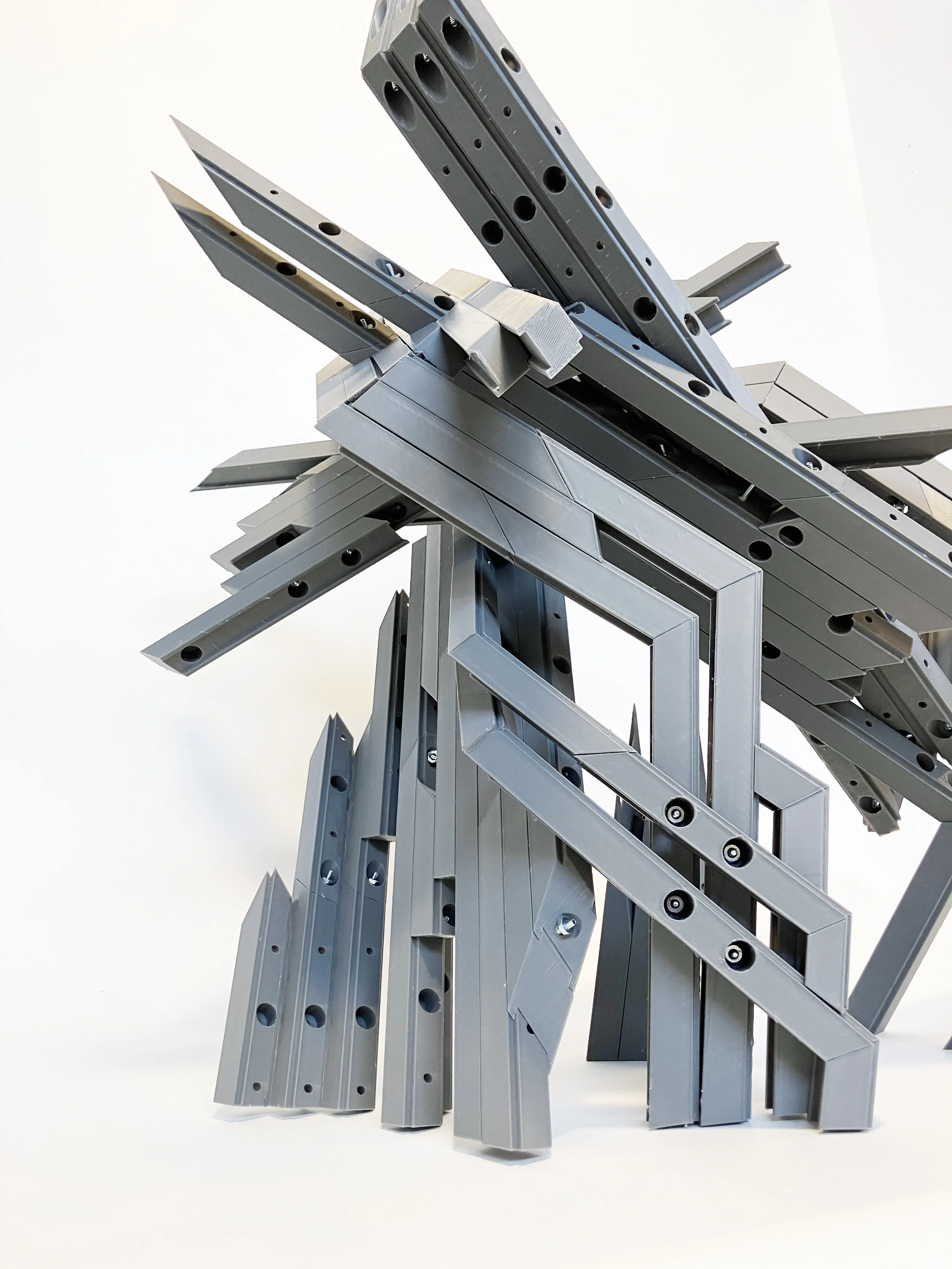
3D Printed Study Model
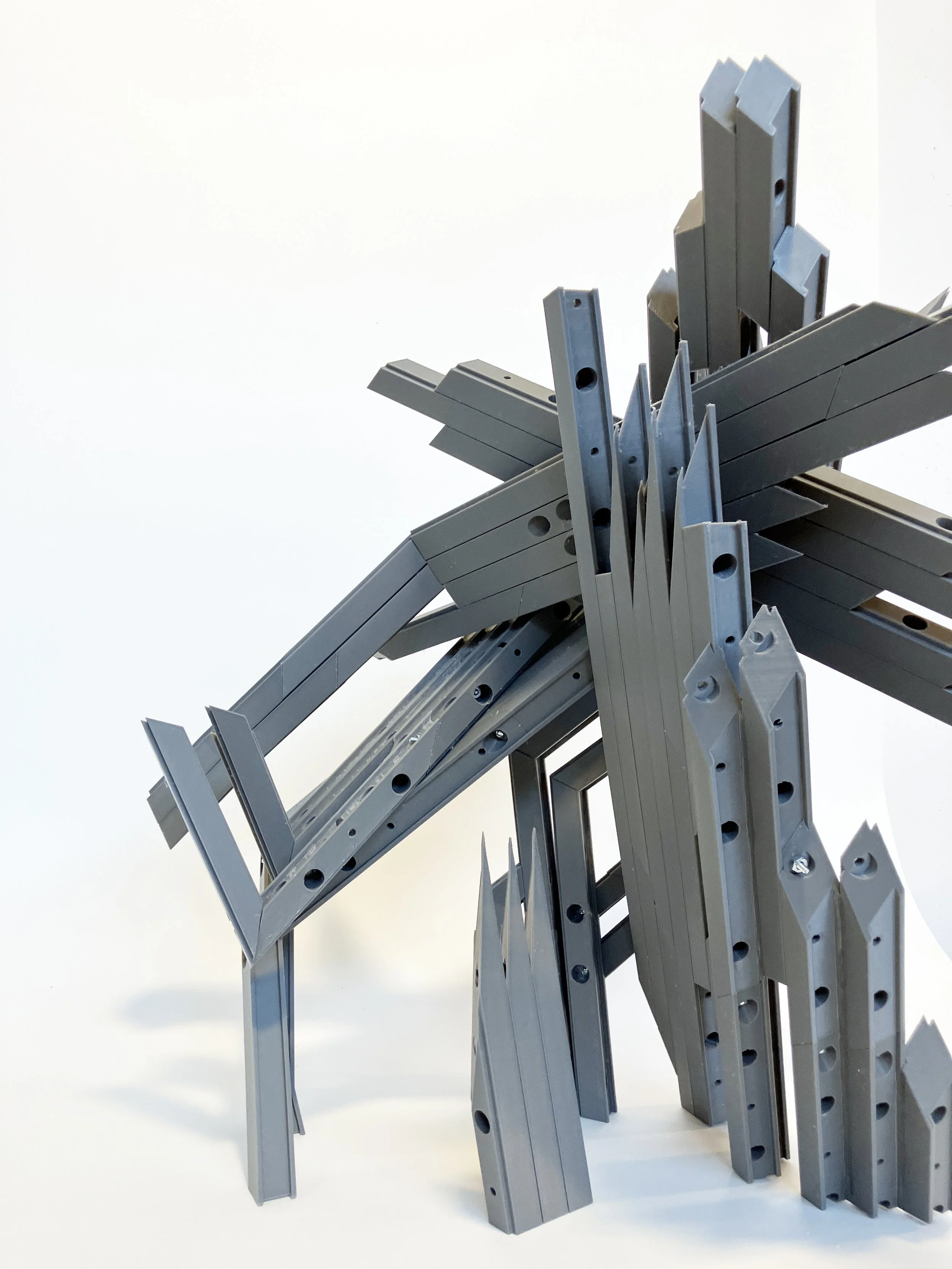
3D Printed Study Model
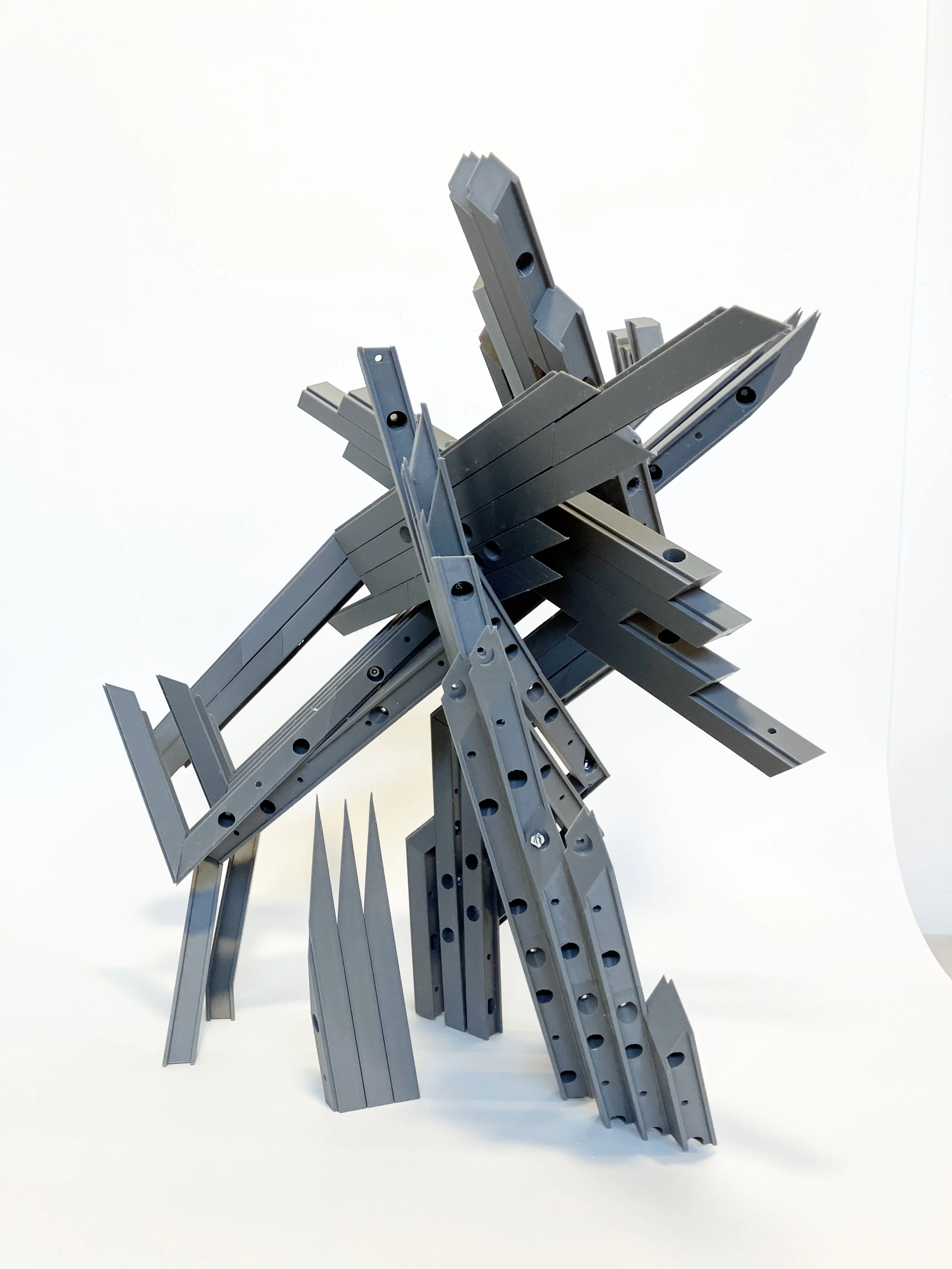
3D Printed Study Model
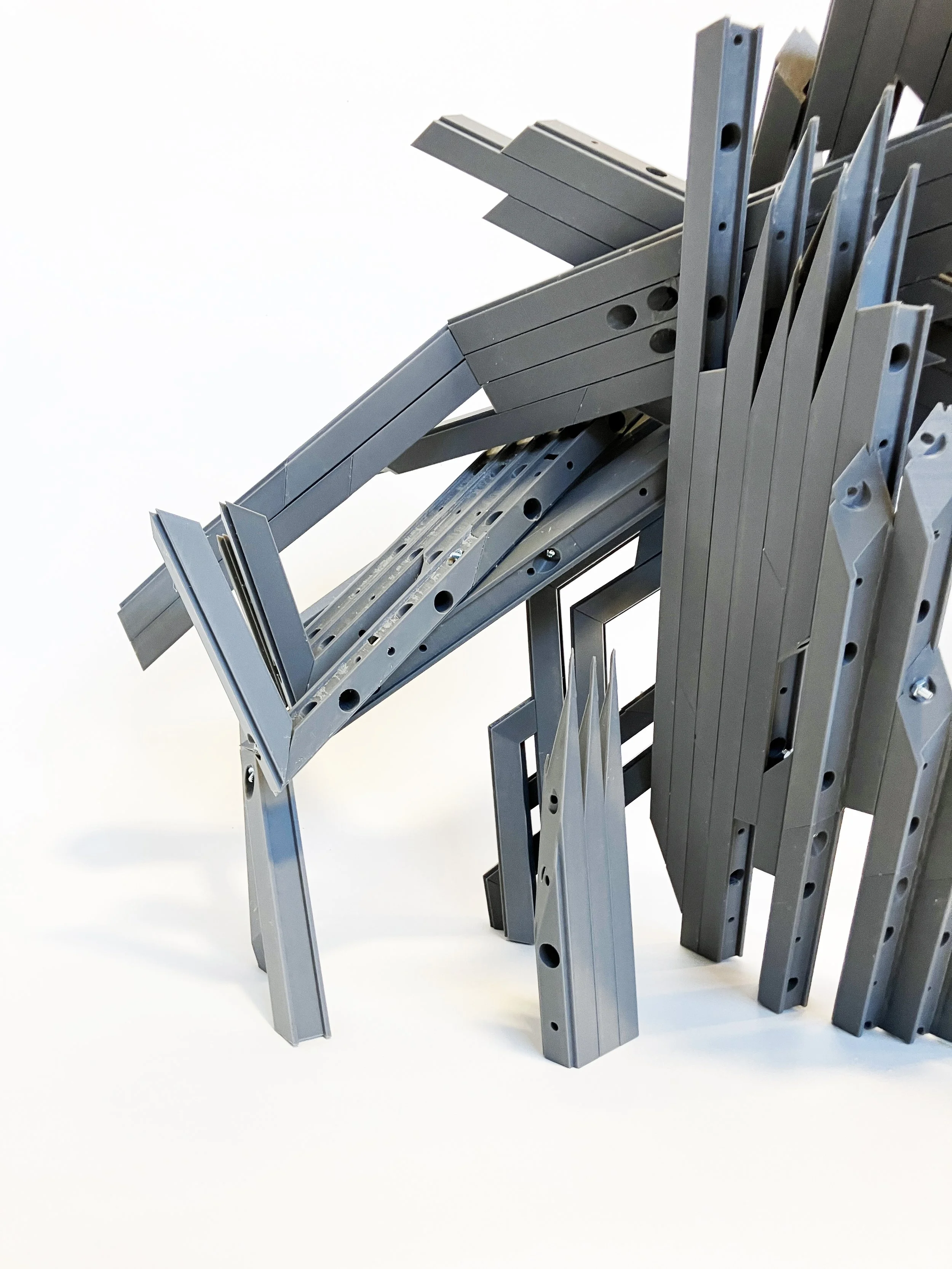
3D Printed Study Model
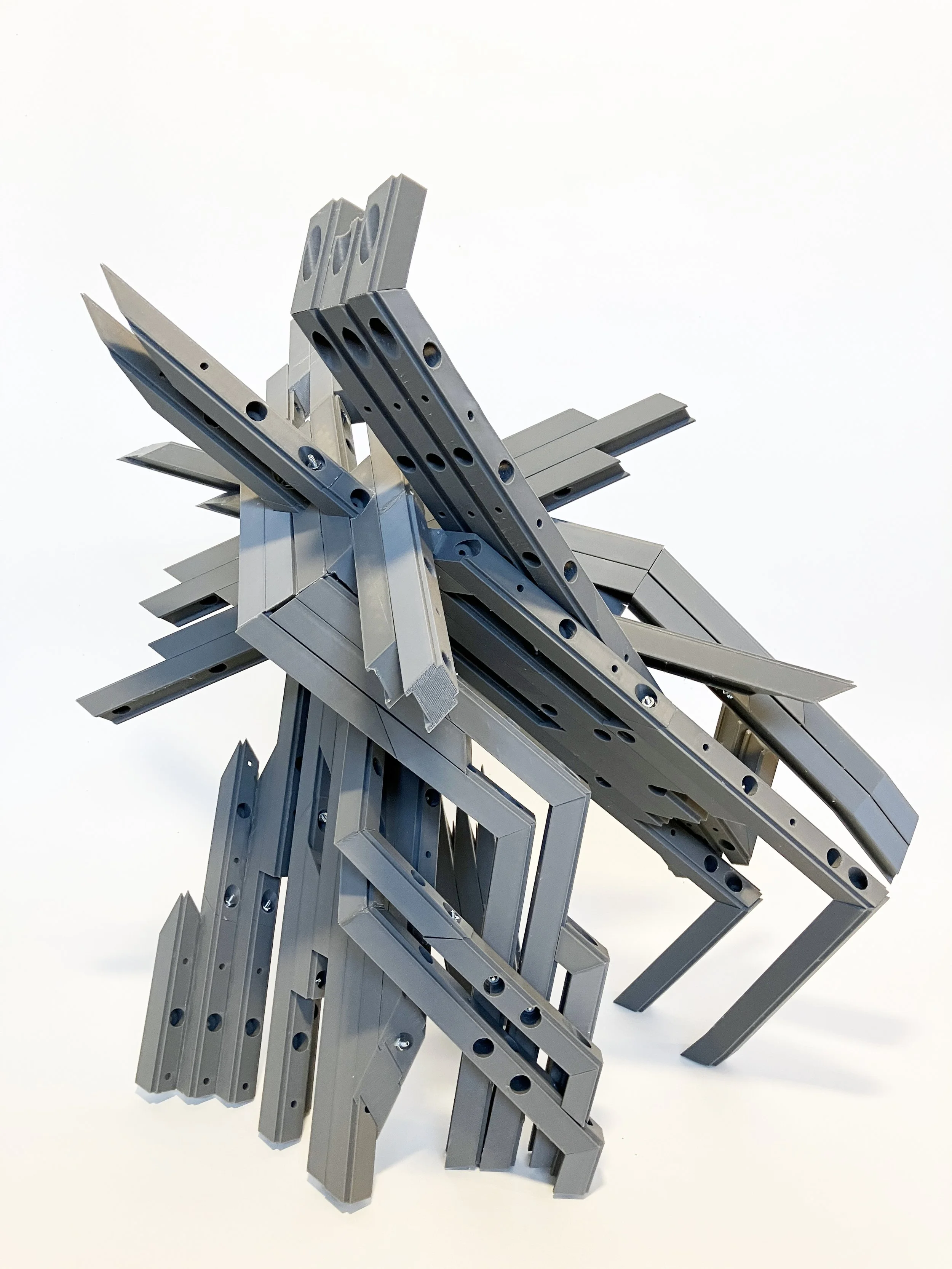
3D Printed Study Model
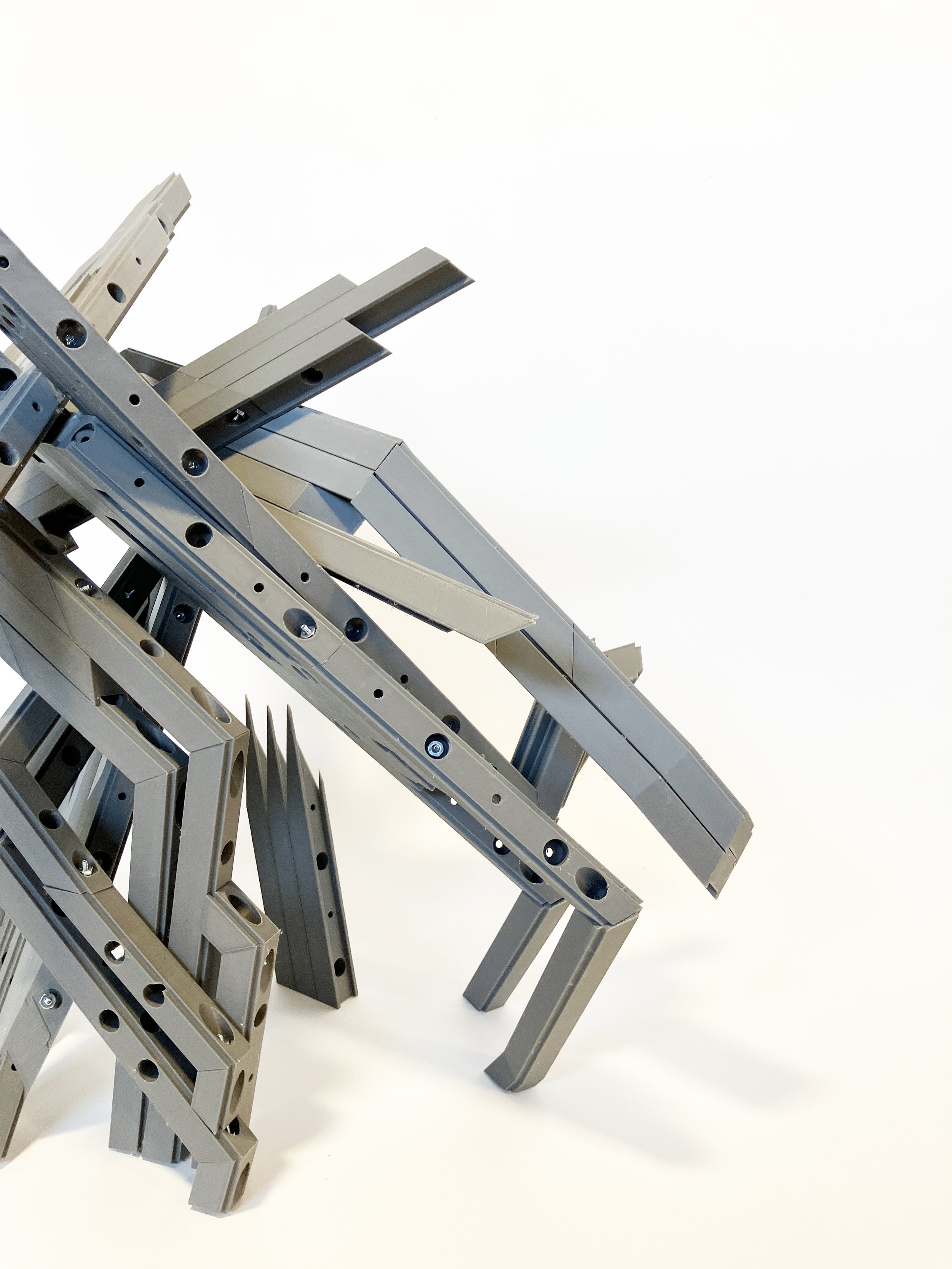
3D Printed Study Model
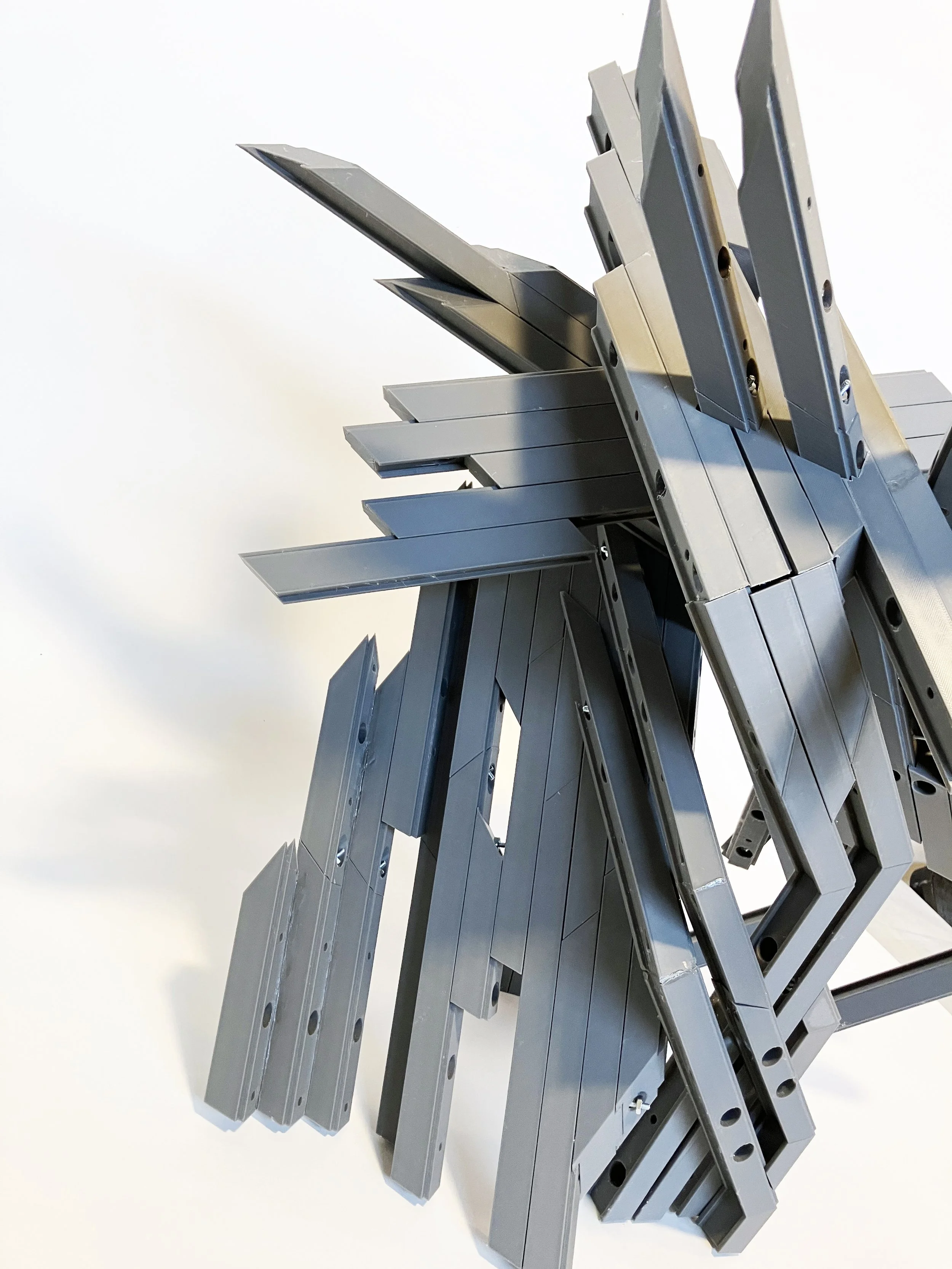
3D Printed Study Model
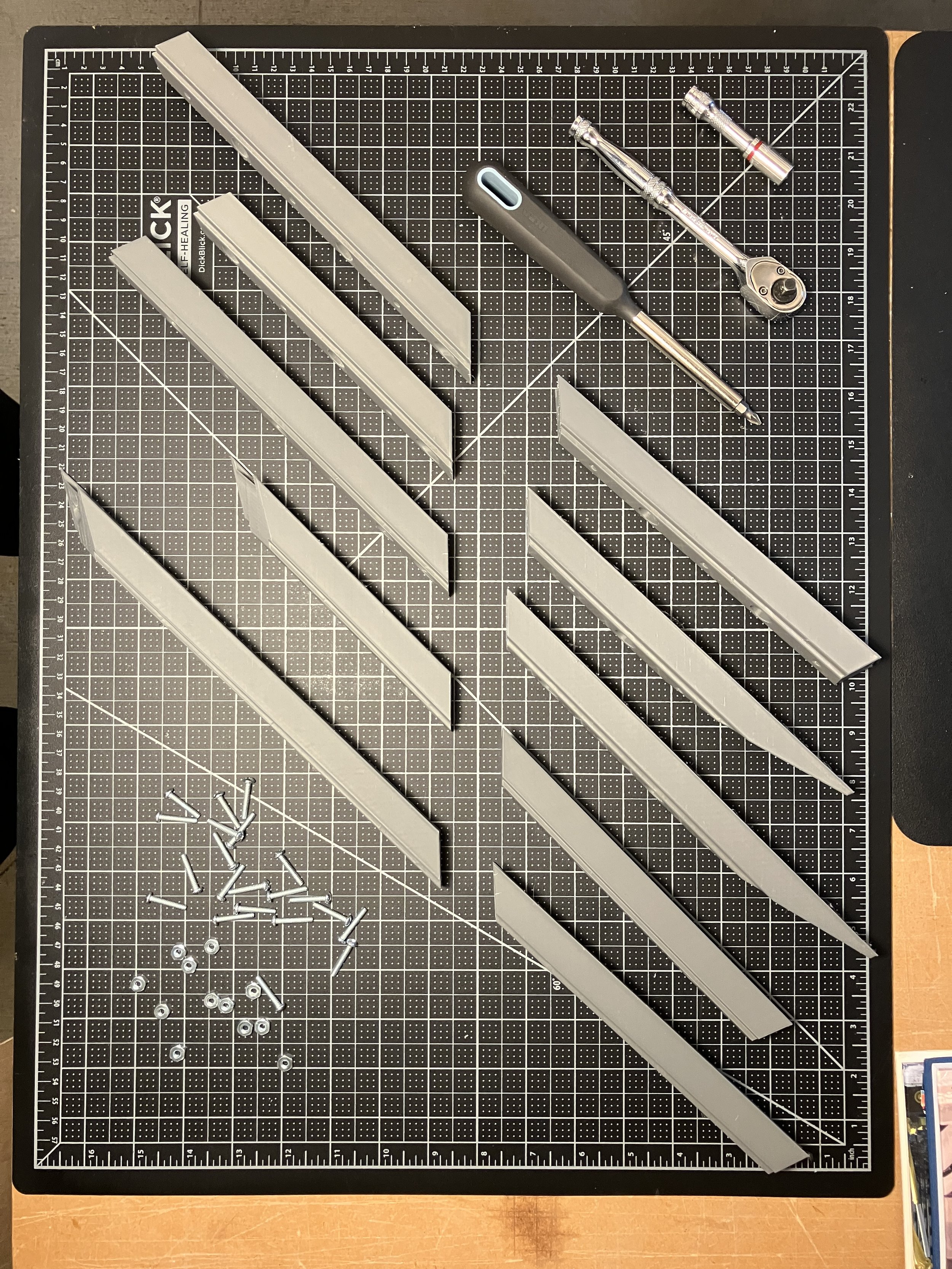
Disassembled 3D Printed Study Model
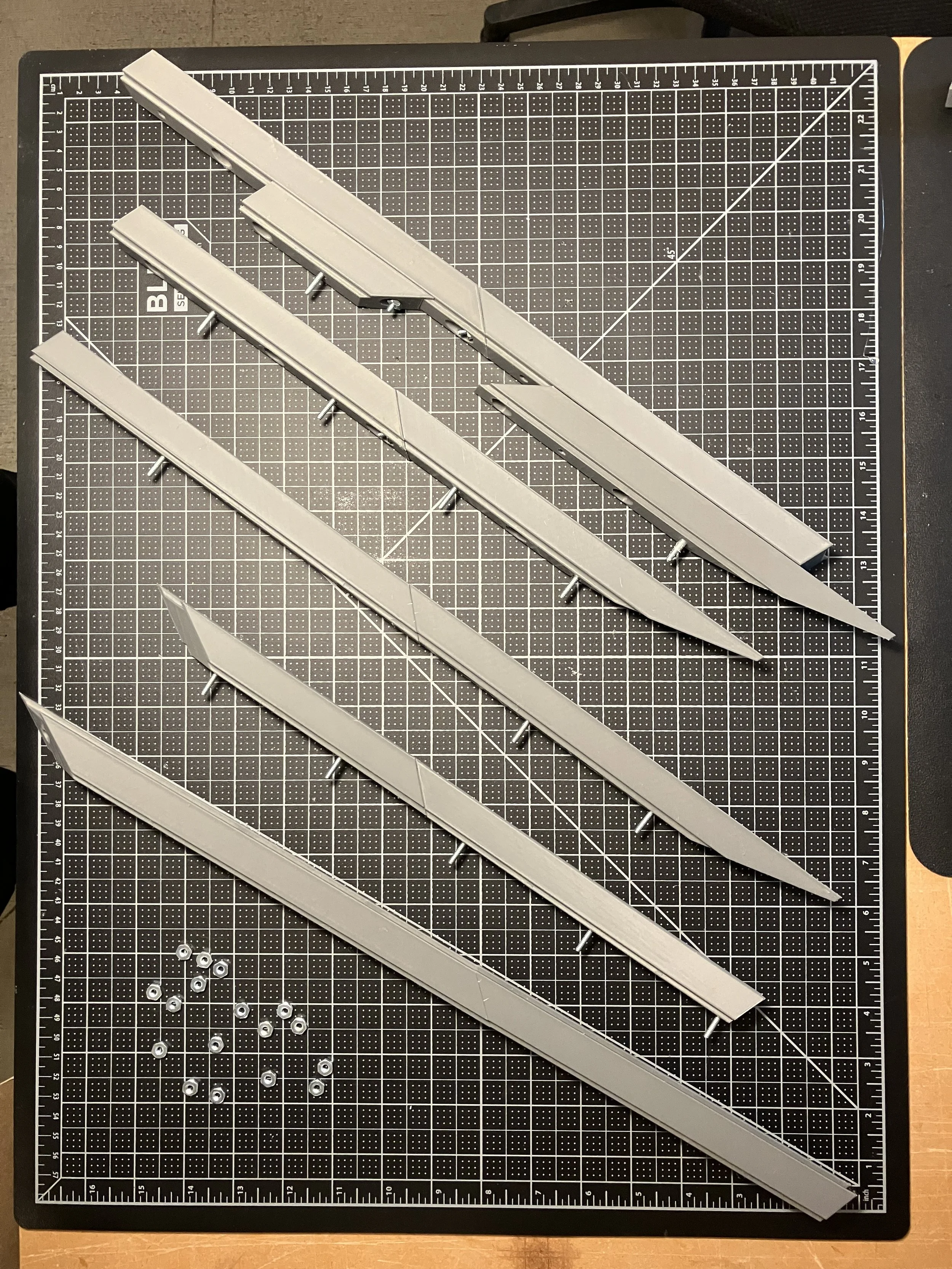
Disassembled 3D Printed Study Model
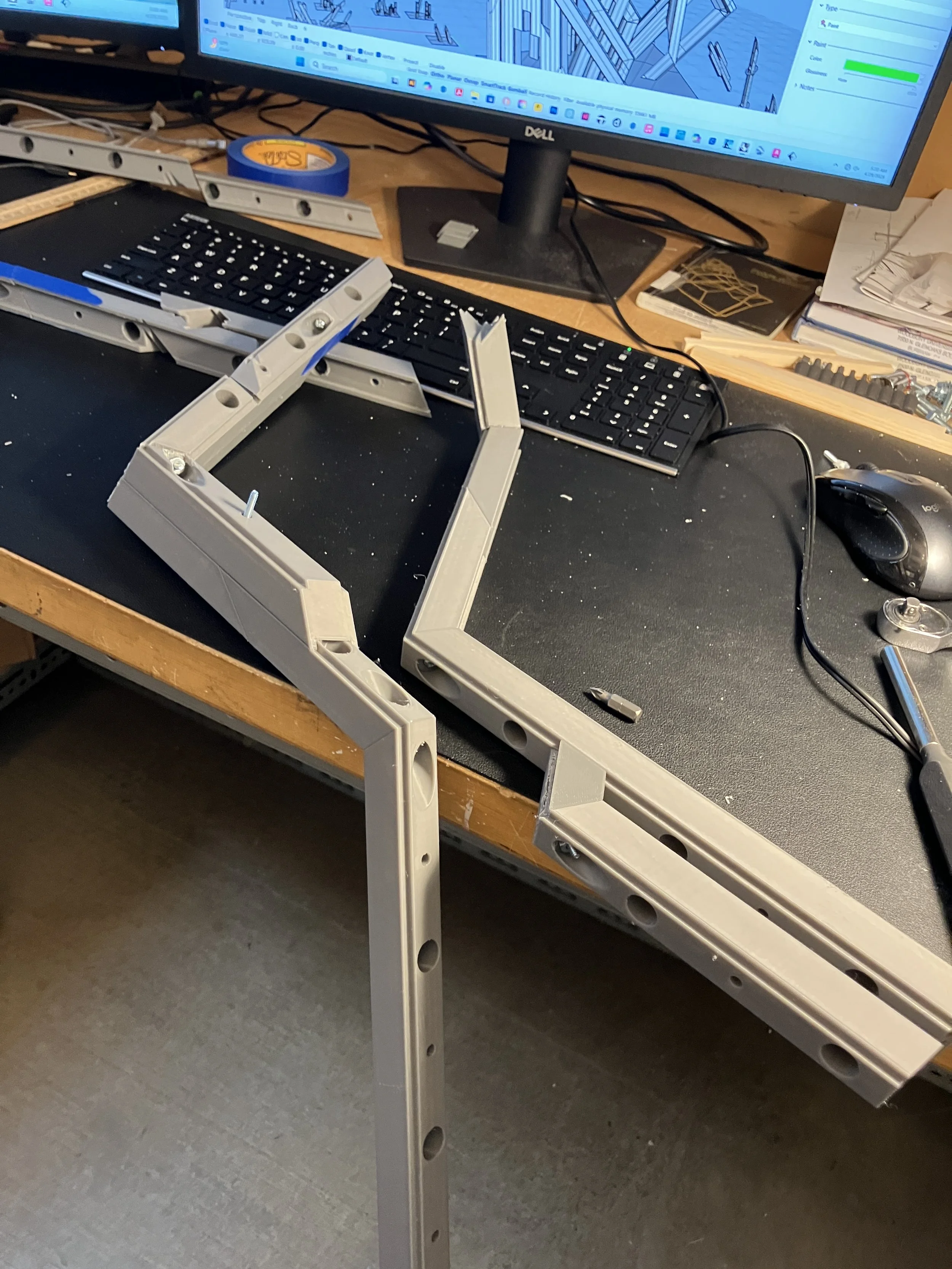
Assembly In Progress 3D Printed Study Model
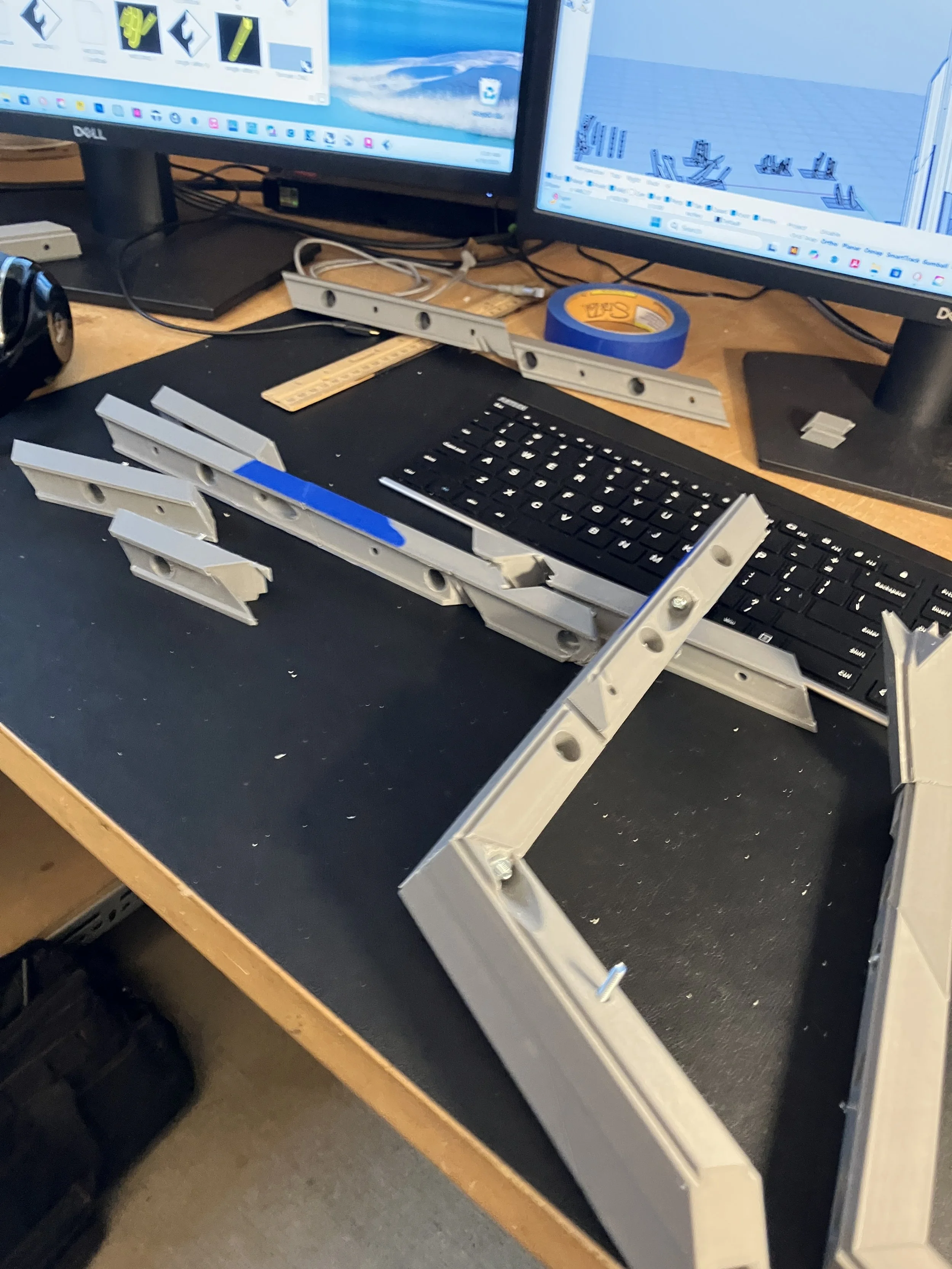
Assembly In Progress 3D Printed Study Model
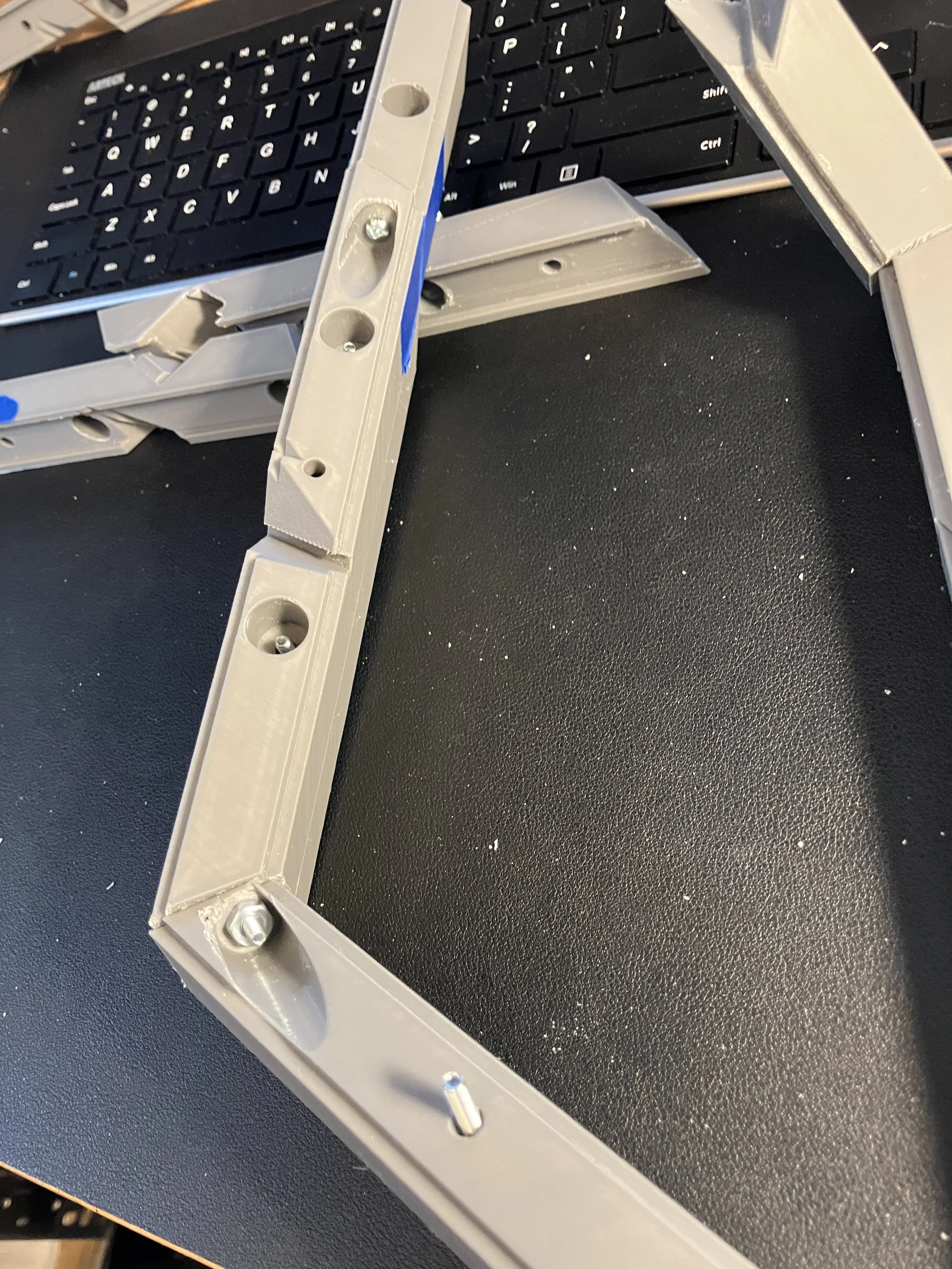
Assembly In Progress 3D Printed Study Model
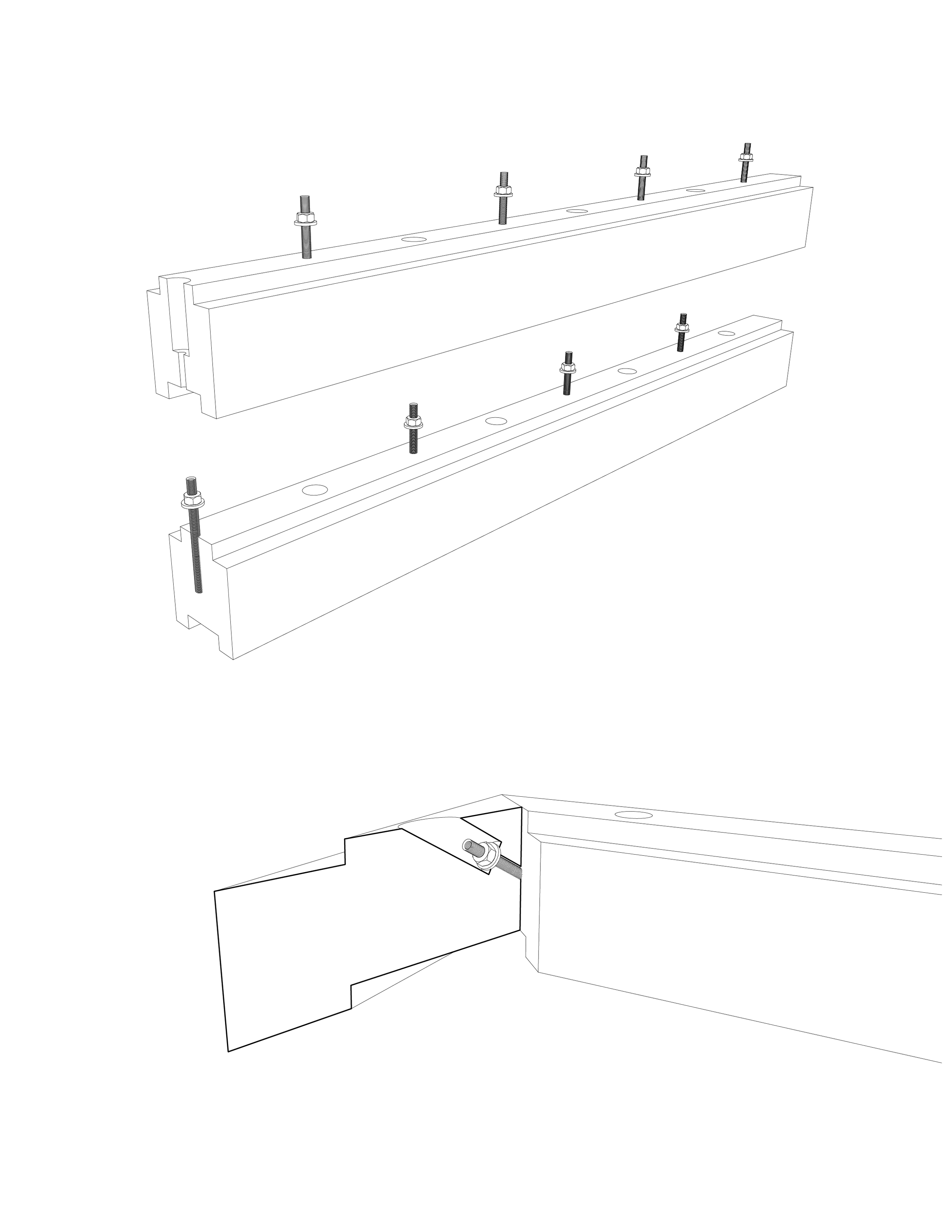
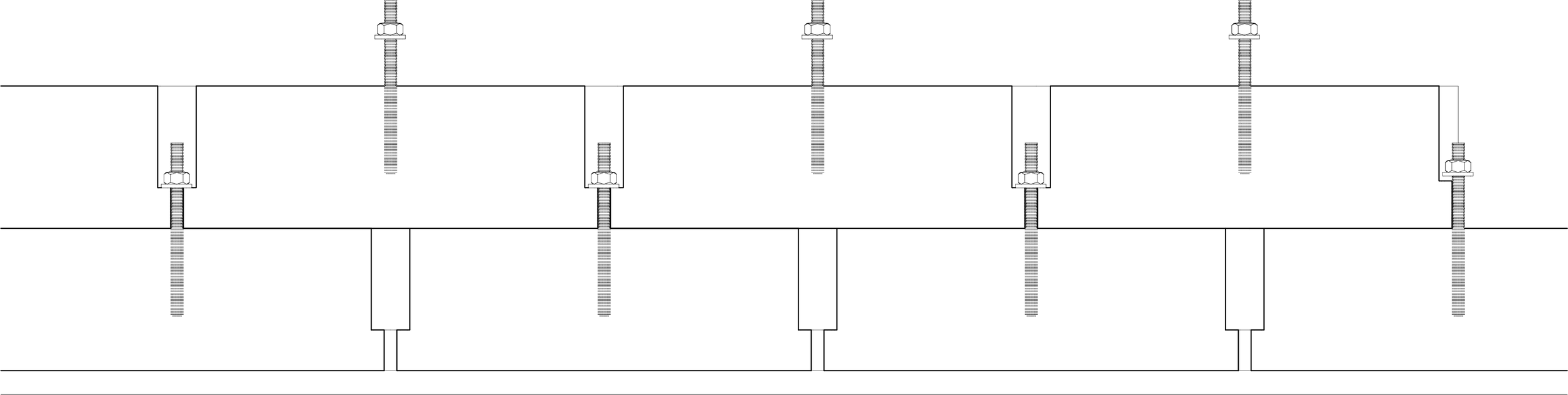
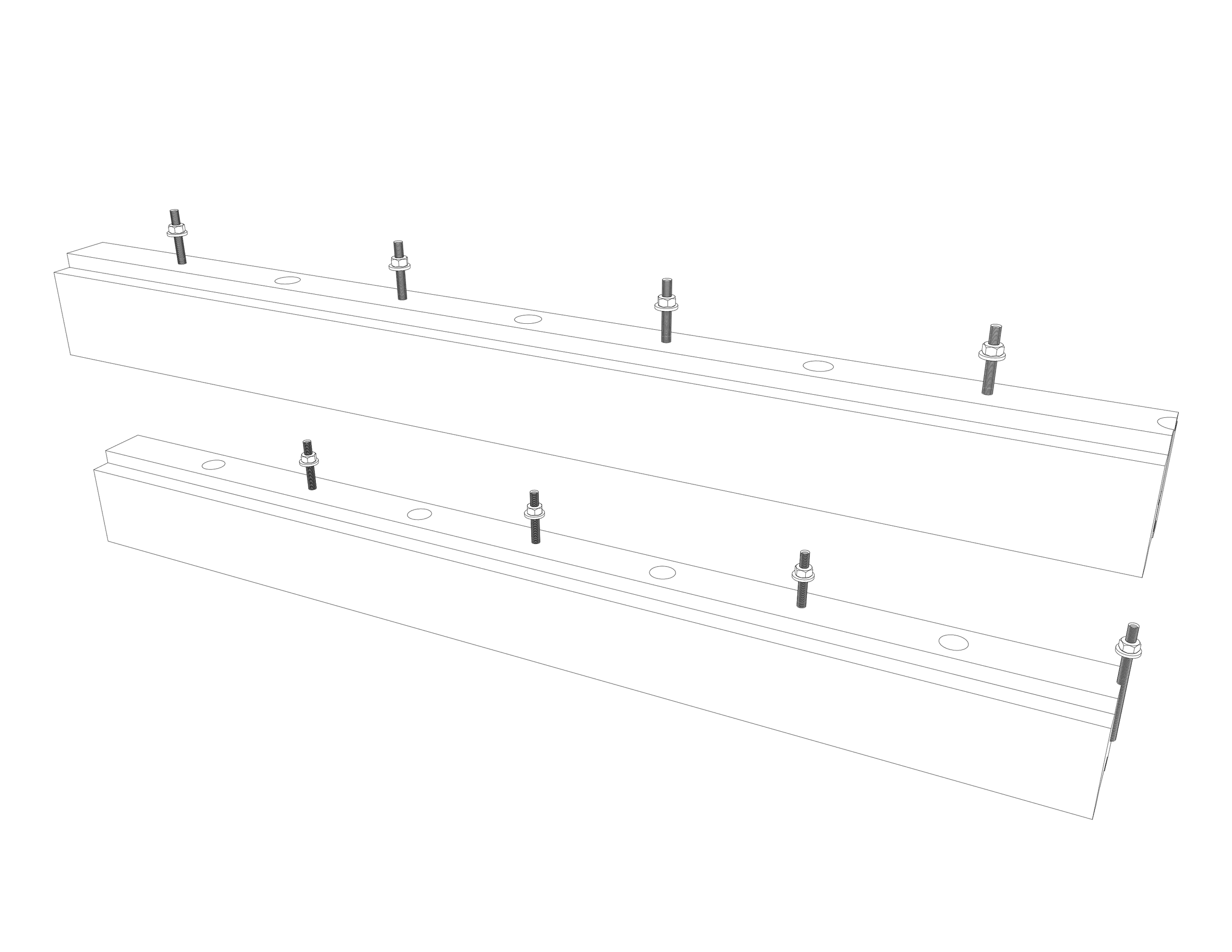
PROPOSED MODULE AXON
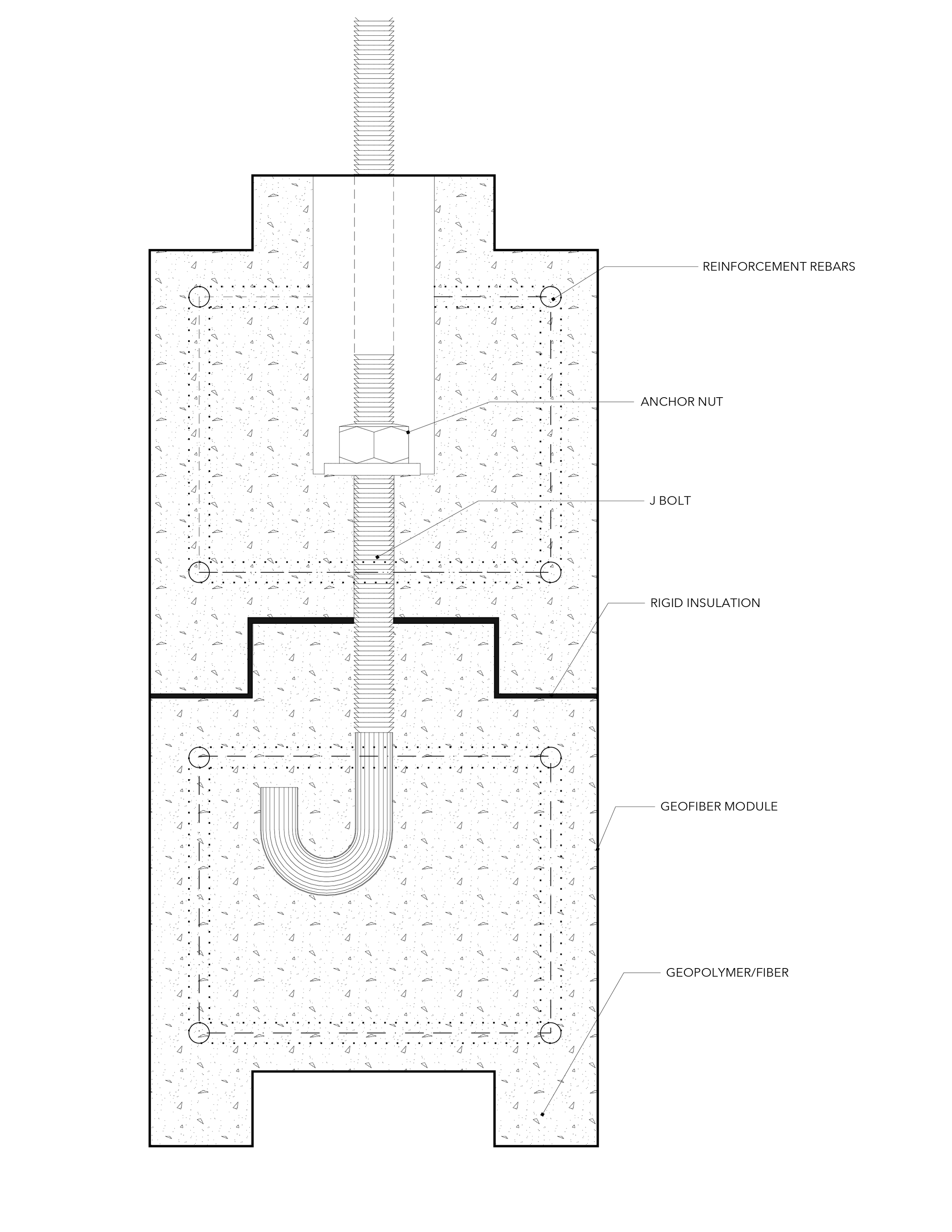
PROPOSED MODULE SECTION